



What's Happening?
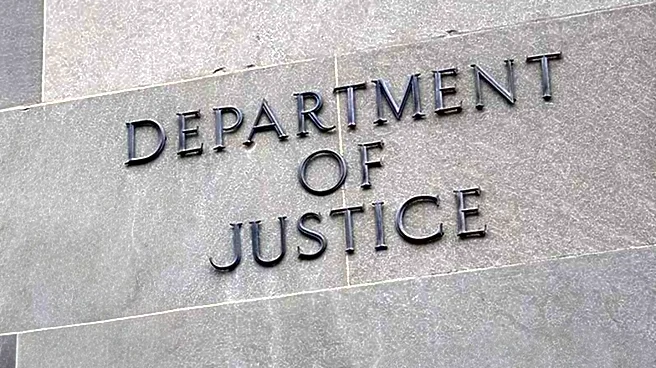
On November 5, 2026, the U.S. Department of Justice (DOJ) announced the formation of the Super Intelligence Task Force (DOJ-SITF). This new task force aims to coordinate the Department’s criminal and civil enforcement efforts concerning 'super intelligence'
(SI), a term now used for artificial intelligence (AI) following a September 2026 executive order. Attorney General Todd Blanche established the task force via an October 13 memorandum, directing it to address the misuse of SI by foreign state actors, transnational criminal organizations, and individuals or corporations involved in fraud or other unlawful activities. The DOJ-SITF will serve as the DOJ's primary contact point with the White House Super Intelligence Force (SIF) and will be notified of AI-related investigations, charging decisions, and resolutions across the Department. This initiative follows several administration actions on AI, including President Trump’s June 2 executive order prioritizing enforcement against AI misuse in identity theft, computer fraud, and wire fraud. The task force also merges the Artificial Intelligence Task Force previously announced by then-Attorney General Pam Bondi on January 9, 2026, which focused on challenging state AI laws.
Why It's Important?
The establishment of the DOJ-SITF signifies a significant escalation in the U.S. government's approach to regulating and enforcing laws related to advanced AI. By centralizing enforcement efforts, the DOJ aims to create a more cohesive and effective strategy against the misuse of SI, which has broad implications for national security, economic stability, and public safety. The task force's mandate to coordinate criminal and civil enforcement means that companies involved in AI-related investigations, whether as subjects or victims, will likely experience increased scrutiny and a more unified governmental response. This could lead to more complex legal challenges for tech companies and other entities utilizing AI, as well as enhanced protection for critical infrastructure and American taxpayers from AI-enabled threats. The integration of the previous AI Task Force's role in challenging state AI laws also indicates a move towards a more harmonized federal stance on AI regulation, potentially preempting a patchwork of state-level rules that could hinder innovation or create legal inconsistencies.
What's Next?
The DOJ-SITF is expected to develop guidance on prosecuting unlawful SI-related conduct and evaluating corporate compliance measures, though it is not yet clear if this guidance will be made public. Companies that develop or deploy AI will need to closely monitor these forthcoming guidelines and assess their internal controls and risk reporting mechanisms to align with the DOJ's evolving expectations. The task force will also coordinate enforcement efforts, deconflict investigations among various Department components, and recommend enforcement priorities, which Attorney General Blanche indicated would focus on conduct targeting American taxpayers, critical infrastructure, and national security. The recent indictment of three foreign nationals for using SI to impersonate corporate executives and attorneys, resulting in over $129 million in fraud, illustrates the type of cases the task force will address. This suggests that prosecutors are already actively pursuing such conduct under existing statutes, and the task force will likely amplify these efforts, leading to more investigations and prosecutions in the near future.
Beyond the Headlines
The formation of the DOJ-SITF reflects a broader governmental recognition of the transformative, yet potentially disruptive, power of advanced AI. Beyond immediate enforcement, this initiative signals a long-term shift in how the U.S. legal system will adapt to technological advancements. The emphasis on 'super intelligence' over 'artificial intelligence' highlights a conceptual evolution within the administration, suggesting a focus on more sophisticated and potentially autonomous AI systems. This could lead to new legal frameworks and ethical considerations as the technology advances. The task force's dual mandate of preventing misuse while promoting innovation presents a delicate balance. Striking this balance will be crucial for fostering technological progress without compromising security or individual rights. Furthermore, the coordination with the White House Super Intelligence Force (SIF) and potential collaboration with agencies like the FTC suggests a comprehensive, multi-agency approach to AI governance, indicating that future regulations and enforcement actions will likely be multifaceted and far-reaching, impacting various sectors of the economy and society.