
What's Happening?
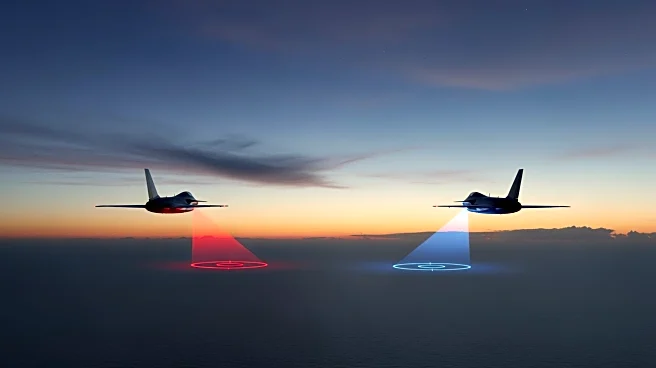
Japan has accused Chinese fighter jets of directing fire-control radar at Japanese military aircraft in two separate incidents near the Okinawa islands. This action, described as 'dangerous' by Japan,
has been denied by Beijing. Japanese Defense Minister Shinjiro Koizumi stated that these radar illuminations exceeded what is necessary for safe flight, prompting Japan to lodge a protest with China. The incidents occurred during Chinese carrier-based flight training east of the Miyako Strait. The situation has heightened tensions between Japan and China, particularly in light of recent strained relations over Taiwan. The Chinese navy, through spokesperson Colonel Wang Xuemeng, accused Japanese aircraft of disrupting their operations and demanded Japan cease its actions.
Why It's Important?
The incidents underscore the fragile state of relations between Japan and China, two major powers in East Asia. The use of fire-control radar is a provocative act that signals potential aggression, which could lead to military escalation. This development is particularly concerning given the ongoing tensions over Taiwan, a region both countries have vested interests in. The situation also involves broader regional security dynamics, with Australia expressing concern and support for Japan. The U.S., which has significant military presence in Japan, has not yet commented, but the situation could impact U.S. strategic interests in the region. The incidents may also affect diplomatic relations and economic interactions between the involved nations.
What's Next?
Japan is likely to continue monitoring Chinese military activities closely and may increase its defensive measures in response to perceived threats. Diplomatic efforts may be pursued to de-escalate tensions, although the current geopolitical climate suggests that military posturing could persist. The U.S. may eventually weigh in, given its alliances and interests in the region. Additionally, China may continue its military activities near Taiwan and Japan, potentially leading to further confrontations. The international community will be watching closely, as any escalation could have significant implications for regional stability and global economic conditions.