




What's Happening?
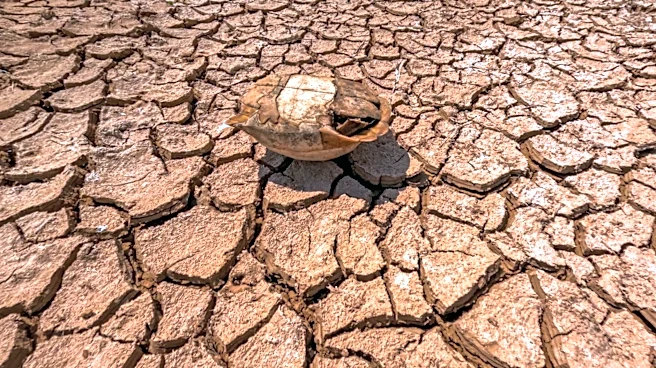
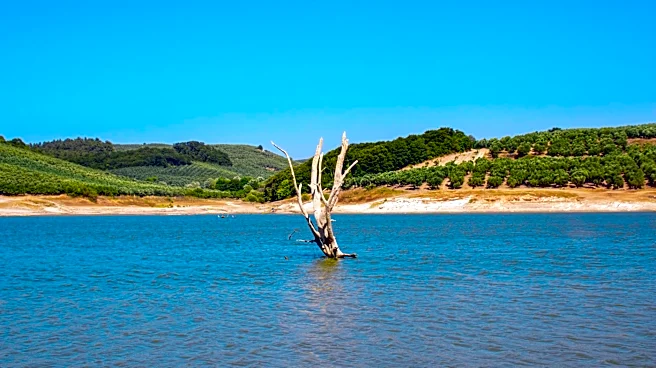
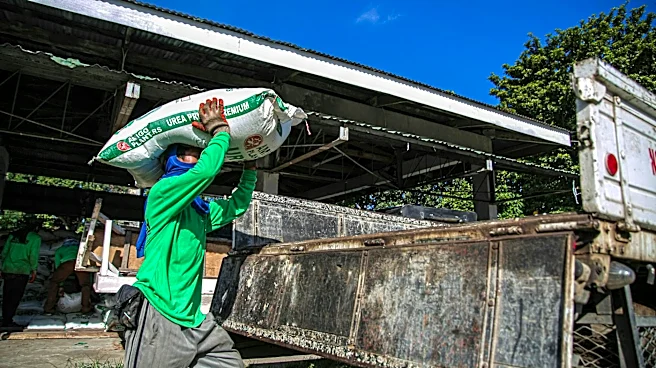
A recent report by the World Meteorological Organization (WMO) and the Food and Agriculture Organization (FAO) has highlighted the growing threat of extreme heat to agriculture and food systems. Despite agriculture's critical role in climate adaptation
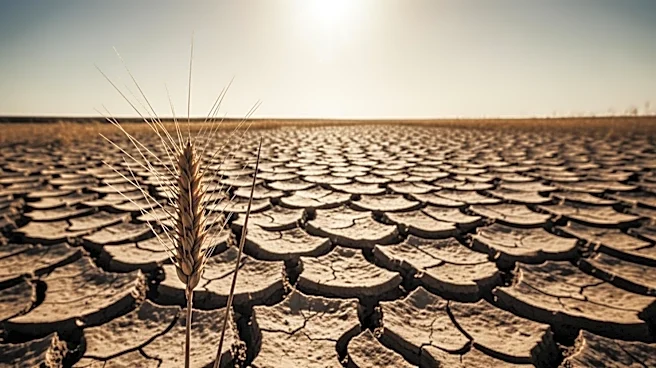
and resilience, only about 4% of climate finance is directed towards strengthening resilience in this sector. The report warns that some regions could face up to 250 days per year that are too hot for work, emphasizing the need for robust early warning systems and climate-resilient agricultural practices. Kaveh Zahedi, assistant director general at FAO, noted that every 1-degree Celsius increase in global temperatures could lead to a 6% reduction in yields of key crops like maize, rice, wheat, and soybeans, which are vital for global calorie intake.
Why It's Important?
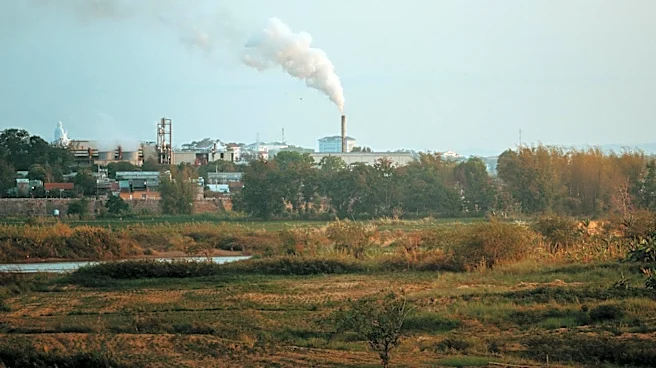
The limited allocation of climate finance to agriculture is significant because the sector is on the front lines of climate change impacts. With agriculture accounting for roughly one-third of global greenhouse gas emissions, the sector's transformation is crucial for both adaptation and mitigation efforts. The insufficient funding could hinder efforts to protect food security and reduce emissions, posing risks to global food systems. The upcoming COP31 summit in Türkiye presents an opportunity to address these issues, as discussions will focus on the role of food systems in climate challenges. The FAO has already engaged in promising talks with Türkiye's COP31 presidency to emphasize agriculture's importance in climate discussions.
What's Next?
The COP31 summit in Türkiye is expected to serve as a platform for advancing discussions on agriculture's role in climate adaptation and mitigation. The FAO aims to maintain momentum in highlighting agriculture's significance in climate talks, building on the increased focus seen in recent climate summits. The organization stresses the need for practical, actionable advice for farmers, alongside early warning systems, to ensure they can effectively respond to extreme heat conditions. The FAO's engagement with Türkiye's COP31 presidency could lead to enhanced awareness and action on integrating agriculture into climate strategies.
Beyond the Headlines
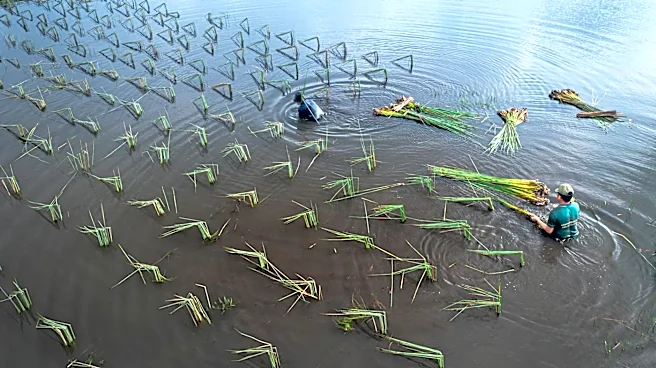
The report underscores the ethical and practical necessity of supporting farmers, who are at the center of the climate crisis. Ensuring that farmers receive timely and effective information through various communication channels is crucial for protecting vulnerable communities. The FAO's call for increased climate finance for agriculture highlights the need for a comprehensive approach that includes both financial support and practical guidance. This approach is essential for achieving the goals of the Paris Agreement and ensuring long-term food security in the face of climate change.