




What's Happening?
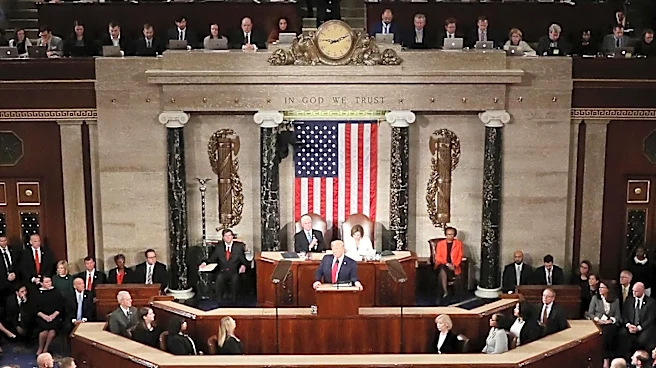
U.S. Senator Kirsten Gillibrand (D-NY), ranking member and chairman of the U.S. Senate Special Committee on Aging, alongside Senator Rick Scott (R-FL), has convened the first-ever congressional hearing dedicated to menopause. Expert witnesses at the hearing emphasized
the critical need for improved research, training, and care related to menopause. Following the hearing, Senators Gillibrand and Scott submitted a bipartisan request to the federal Government Accountability Office (GAO). This request seeks an investigation into the current coordination and funding mechanisms within the federal government for menopause research and care. Senator Gillibrand highlighted that menopause affects over half of the U.S. population, yet it remains one of the most under-researched, undertreated, and underdiagnosed medical fields. Less than one percent of federal women's health research funding is allocated to menopause, and a significant majority (80%) of OB-GYN residents report feeling unprepared to discuss the topic with patients.
Why It's Important?
The congressional hearing and subsequent GAO request underscore a significant gap in women's healthcare and federal research priorities. Menopause, impacting a substantial portion of the U.S. population, has been historically neglected in medical research and training, leading to inadequate care for millions of women. This lack of attention has considerable economic implications; a Mayo Clinic study revealed that menopause costs the U.S. economy $26.6 billion annually, with $1.8 billion attributed to lost work time. Furthermore, one in ten women leave the workforce due to menopause-related issues, resulting in a loss of experienced professionals. By bringing this issue to the forefront, the senators aim to address health disparities, improve the quality of life for women in midlife, and mitigate the economic impact of untreated menopause symptoms. The GAO report is expected to identify specific deficiencies in federal support, paving the way for targeted interventions and policy changes.
What's Next?
The bipartisan request to the Government Accountability Office will initiate a federal investigation into the current state of menopause research and care funding and coordination. The GAO's report will be crucial in identifying existing gaps in research, education, and treatment, and will likely inform future legislative efforts. Senator Gillibrand has expressed her commitment to collaborating with colleagues from both parties to address these issues. This could lead to increased federal funding for menopause research, the development of improved training programs for healthcare professionals, and the implementation of policies aimed at enhancing access to comprehensive menopause care. The findings from the GAO report are anticipated to provide a roadmap for federal action, potentially leading to a more robust and equitable healthcare system for women experiencing menopause.
Beyond the Headlines
The initiative to address menopause at a congressional level highlights a broader societal shift towards recognizing and validating women's health issues that have historically been marginalized or stigmatized. The fact that this is the 'first-ever' congressional hearing on menopause speaks volumes about the long-standing oversight in medical and policy discourse. This move could set a precedent for more comprehensive attention to other under-researched areas of women's health. Beyond the immediate medical and economic impacts, addressing menopause more effectively could empower women to remain active in the workforce and society, challenging ageist and sexist assumptions about women's productivity and value in midlife. It also raises ethical questions about equitable allocation of research funding and the responsibility of the medical community to adequately prepare practitioners for common health stages experienced by a significant demographic.