
What's Happening?
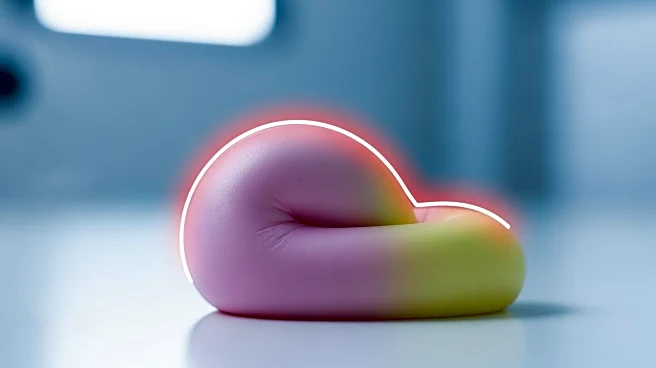
Consumer Reports has issued a warning regarding popular squishy toys for children, which may break open and cause skin irritation or chemical burns. These toys, often marketed as calming sensory tools,
have received numerous negative reviews on platforms like Amazon, with reports of them popping or breaking within hours of use. The gel inside these toys has been linked to red, irritated, or peeling skin in children. Consumer Reports conducted tests on eight squishy toys, finding that while most had a neutral pH, one toy, the Nee-Doh 'Groovy Glob,' had a pH level of 2, similar to lemon juice or vinegar, which could pose a risk of chemical burns. The manufacturer, Schylling, disputes these findings, claiming the gel is safe. Additionally, viral trends on TikTok encouraging users to microwave these toys have been criticized, as this can cause them to explode and reach dangerous temperatures.
Why It's Important?
The findings from Consumer Reports highlight significant safety concerns for parents and guardians purchasing these toys for children. The potential for skin irritation and chemical burns poses a direct health risk, particularly for young children with sensitive skin. The lack of ingredient transparency from manufacturers further complicates consumer safety, as parents are unable to make fully informed decisions. The issue also underscores the broader challenge of ensuring product safety in the toy industry, where regulatory oversight may be insufficient. The viral trends on social media platforms like TikTok exacerbate these risks by promoting unsafe practices, emphasizing the need for increased awareness and education on toy safety.
What's Next?
In response to these findings, parents are advised to exercise caution when purchasing squishy toys and to avoid those with unknown ingredients. Consumer Reports recommends not microwaving or freezing these toys and advises against giving them to babies or toddlers. If a toy breaks, it should be discarded immediately, and any gel on the skin should be washed off promptly. The Consumer Product Safety Commission (CPSC) may need to investigate further to determine if additional regulatory measures are necessary to protect consumers. Manufacturers might also face pressure to improve transparency and safety standards.