







What's Happening?
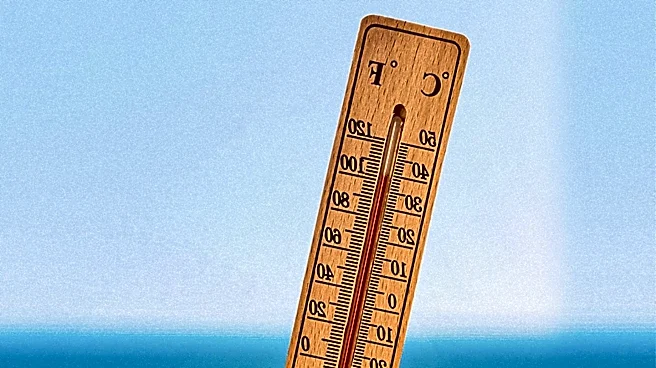
A severe heat wave that has been affecting the north-central United States is now moving towards the Northeast, with expectations to expand further south into the Mid-Atlantic region later this week. The National Weather Service has issued heat alerts
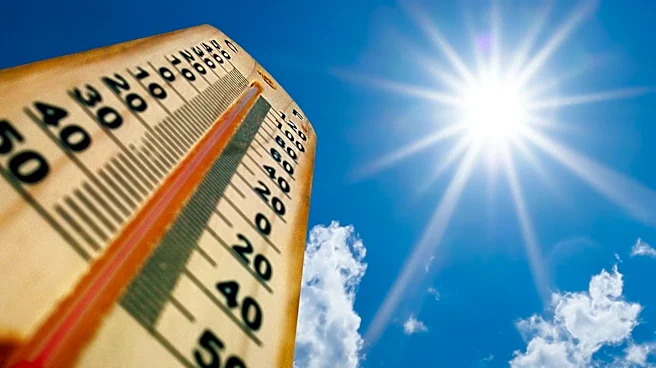
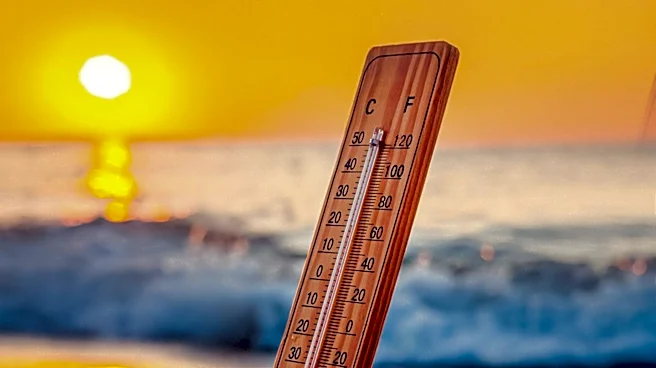
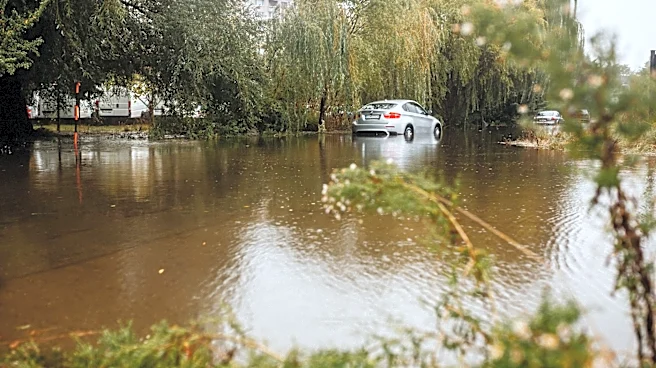
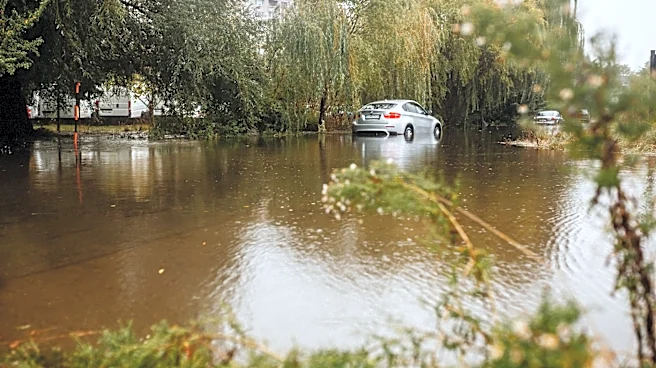
for more than 125 million Americans, including extreme heat warnings and advisories. Temperatures in the northern Plains and Upper Midwest are forecasted to range between 95°F and 105°F, with heat index values reaching triple digits. This intense heat is expected to break several daily temperature records and potentially approach monthly and all-time records. In addition to the heat, southwest Texas is facing a significant threat of flash flooding due to a slow-moving weather pattern that could result in 6 to 10 inches of rain in some areas.
Why It's Important?
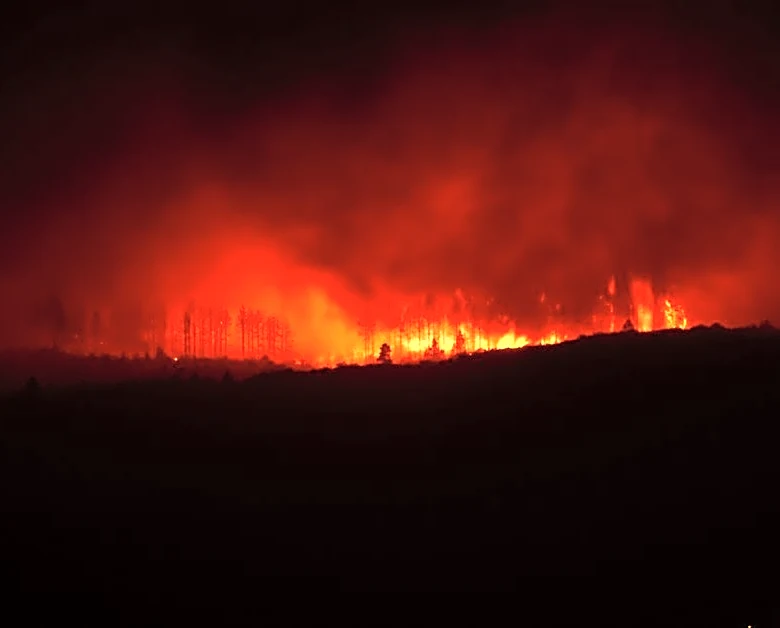
The heat wave poses significant health risks, particularly for vulnerable populations such as the elderly, children, and those without access to adequate cooling. The National Weather Service advises residents in affected areas to stay hydrated, take frequent breaks, and limit outdoor activities. The extreme temperatures can lead to heat-related illnesses and fatalities if precautions are not taken. Additionally, the potential for flash flooding in Texas could result in property damage and disrupt local communities. The combination of heat and flooding highlights the challenges of managing extreme weather events, which are becoming more frequent and severe due to climate change.
What's Next?
As the heat wave progresses, residents in the Northeast and Mid-Atlantic regions should prepare for high temperatures and take necessary precautions to ensure safety. The National Weather Service will continue to monitor the situation and provide updates on weather conditions and safety recommendations. In Texas, authorities are likely to focus on flood preparedness and response efforts to mitigate the impact of potential flooding. The ongoing weather events may prompt discussions on infrastructure resilience and emergency response strategies in the face of climate-related challenges.