






What's Happening?
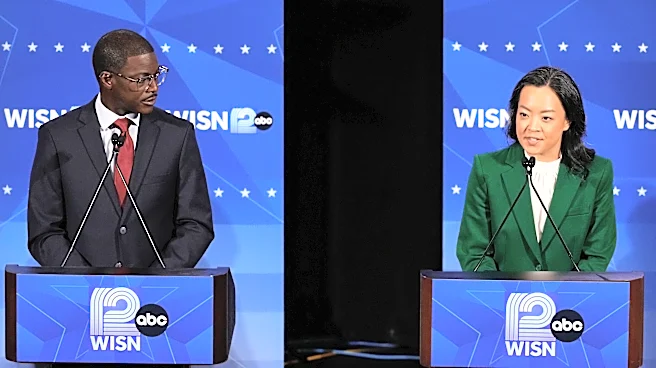
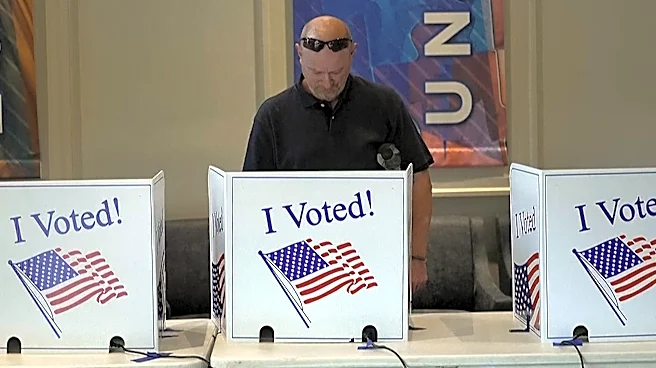
Recent primary elections in Wisconsin and Minnesota have produced mixed outcomes for the Democratic Party's progressive and establishment factions. In Wisconsin, establishment-backed David Crowley narrowly defeated democratic socialist Francesca Hong
in the gubernatorial primary, setting up a general election against Republican Rep. Tom Tiffany. Meanwhile, in Minnesota, Lt. Gov. Peggy Flanagan, a progressive candidate, won the primary to replace retiring Sen. Tina Smith, defeating Rep. Angie Craig. These results reflect ongoing tensions within the Democratic Party between its progressive and moderate wings.
Why It's Important?
The outcomes of these primaries highlight the internal divisions within the Democratic Party, as candidates from both the progressive and establishment camps vie for influence. The narrow margins in these races underscore the competitive nature of the party's internal dynamics and the challenges of unifying diverse ideological factions. These elections also serve as a barometer for the party's strategic direction ahead of the general elections, with implications for policy priorities and electoral strategies.
What's Next?
As the general elections approach, both Democratic and Republican candidates will focus on consolidating support within their respective bases while appealing to undecided voters. The results of these primaries may influence campaign strategies, particularly in battleground states where party unity and voter turnout are crucial. Additionally, the Democratic Party will need to address the ideological rifts exposed by these contests to present a cohesive platform in the upcoming elections.