







What's Happening?
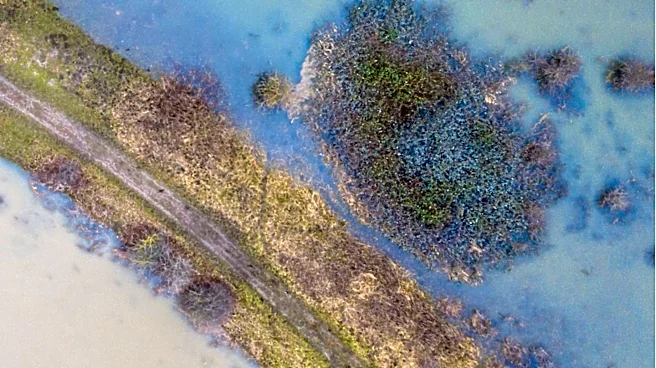
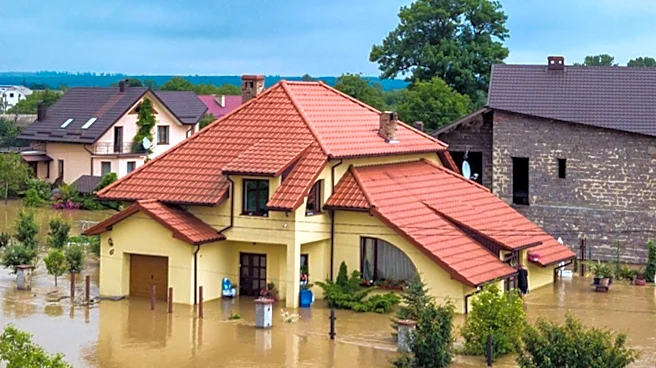
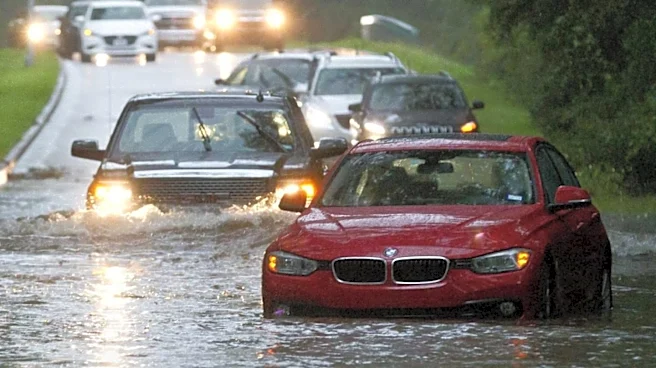
Severe flooding in Missouri has led to the emergency evacuation of over 200 children and staff from Camp Taum Sauk in Lesterville. Heavy rains washed away roads, trapping the campers, who were airlifted to safety by the Army National Guard using Black
Hawk helicopters. The flooding, caused by slow-moving storms, has affected a wide region, prompting flash-flood warnings across several states. Missouri's Emergency Management Agency has warned of additional thunderstorms that could exacerbate the situation. The flooding has also resulted in a woman going missing in Crawford County after her house was swept away.
Why It's Important?
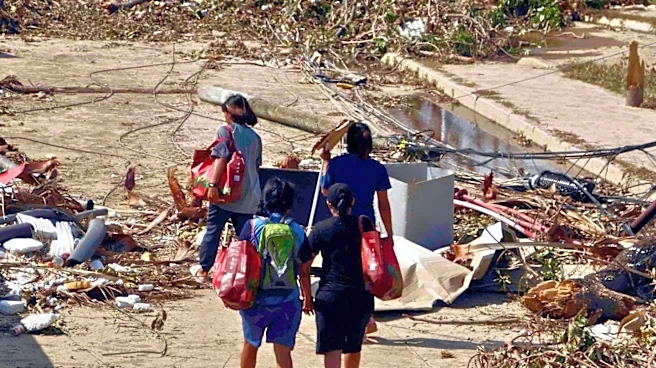
The flooding in Missouri highlights the increasing frequency and severity of extreme weather events, likely exacerbated by climate change. Such events pose significant risks to communities, infrastructure, and emergency response systems. The swift action by emergency services underscores the importance of preparedness and the capability to respond to natural disasters. The situation also raises concerns about the resilience of infrastructure in flood-prone areas and the need for improved flood management strategies. The impact on the local community, including potential economic losses and displacement, further emphasizes the broader implications of climate-related disasters.
What's Next?
As recovery efforts continue, Missouri's state authorities may focus on assessing the damage and implementing measures to prevent future flooding. This could involve infrastructure improvements, such as enhancing drainage systems and reinforcing levees. Additionally, there may be increased advocacy for climate adaptation policies to mitigate the effects of extreme weather. The state may also seek federal assistance to support recovery and rebuilding efforts. Public awareness campaigns could be launched to educate residents on flood preparedness and safety measures.