







What's Happening?
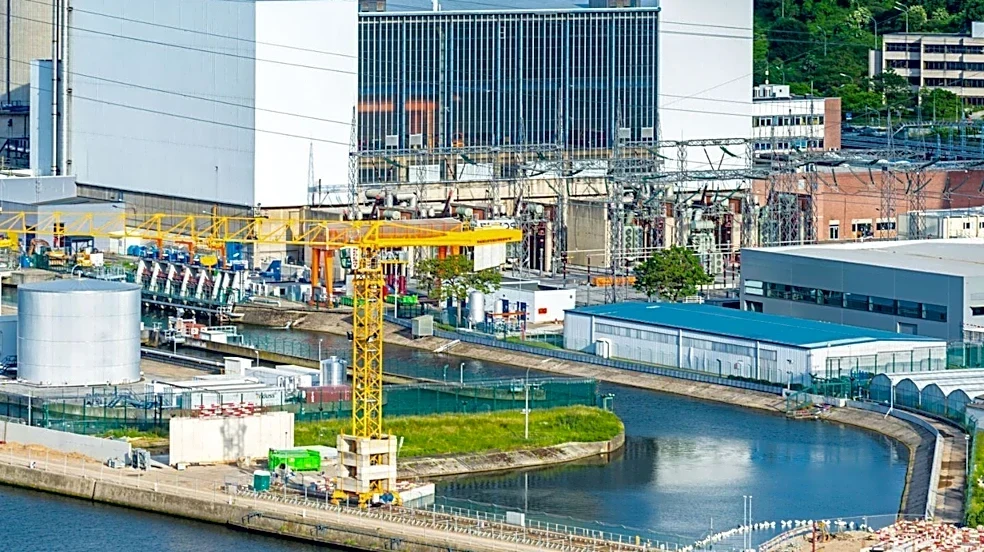
The United Kingdom National Nuclear Laboratory (UKNNL) has launched its strategic plan outlining the future of nuclear energy for the next five years. This plan focuses on several key areas including fuel security, the development of appropriate infrastructure,
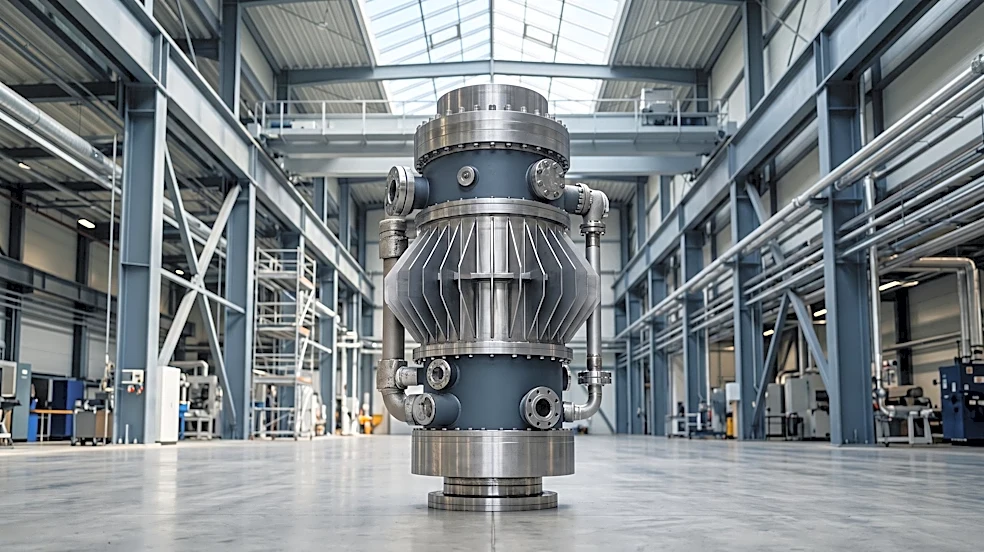
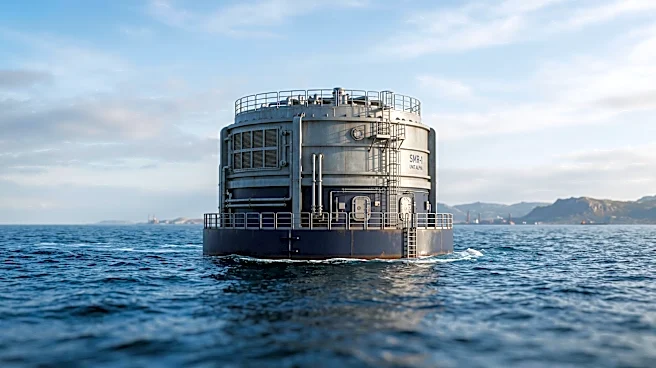
and the scientific and evidential basis required for safe operations. It also addresses safe plutonium science and initiatives for environmental restoration and health. The UKNNL's strategy comes at a time when the UK is undertaking nuclear construction on a scale not seen in a generation, encompassing large-scale reactors currently under construction, and the development of small modular reactors and advanced fuels. This new plan follows a previous strategic plan released in 2021, which was met with uncertainty and instability within the sector. The current clarity in government policy regarding new builds, defense, and decommissioning has informed the UKNNL's readiness for these developments, with the overarching purpose of applying nuclear science for societal benefit.
Why It's Important?
This strategic plan is important for the UK's energy landscape and its broader economic and environmental goals. By prioritizing fuel security and infrastructure development, the UK aims to bolster its energy independence and reduce reliance on external sources, which has significant implications for national security and economic stability. The focus on accelerating the science behind future reactors and maintaining safe operations underscores a commitment to advanced nuclear technology, potentially positioning the UK as a leader in this field. This could attract investment, create high-skilled jobs, and foster technological innovation. Furthermore, the emphasis on environmental restoration and health aspects of nuclear science indicates a comprehensive approach to managing the impacts of nuclear energy, addressing public concerns, and ensuring long-term sustainability. The plan's success could serve as a model for other nations considering expanding their nuclear energy programs, influencing global energy policy and technological advancements.
What's Next?
Following the launch of the UKNNL's five-year strategic plan, the immediate next steps will involve the implementation of the outlined initiatives. This includes continued progress on the construction of large-scale reactors and the accelerated development of small modular reactors and advanced fuels. The UKNNL will likely engage with various stakeholders, including government bodies, industry partners, and research institutions, to ensure coordinated efforts in achieving the plan's objectives. Energy Minister Michael Shanks has already affirmed the government's commitment to developing the next generation of nuclear power, indicating ongoing political support. The plan's success will depend on sustained funding, technological advancements, and effective regulatory oversight. Future evaluations will assess the plan's impact on fuel security, infrastructure development, and the overall contribution of nuclear science to society, potentially leading to adjustments or new strategic directions in subsequent planning cycles.
Beyond the Headlines
Beyond the immediate objectives, the UKNNL's strategic plan carries deeper implications for the future of energy and scientific innovation. The renewed commitment to nuclear power, particularly the development of advanced reactors, signals a potential shift in global energy strategies towards more sustainable and carbon-neutral sources. This could reignite debates about the role of nuclear energy in combating climate change, balancing its benefits against concerns regarding safety and waste management. Ethically, the plan's focus on safe plutonium science and environmental restoration highlights the ongoing responsibility associated with nuclear technology, emphasizing the need for robust ethical frameworks in scientific research and industrial practices. Culturally, a successful nuclear expansion could reshape public perception of nuclear energy, moving it from a source of apprehension to one of national pride and technological prowess. Long-term, this strategy could foster a new generation of scientists and engineers specializing in nuclear fields, ensuring a continuous pipeline of expertise for future energy challenges.