




What's Happening?
The United States and Iran remain at an impasse over a potential interim peace agreement, 100 days into a conflict that has significantly impacted energy markets and regional stability. President Trump has stated that the U.S. will not unfreeze Iranian
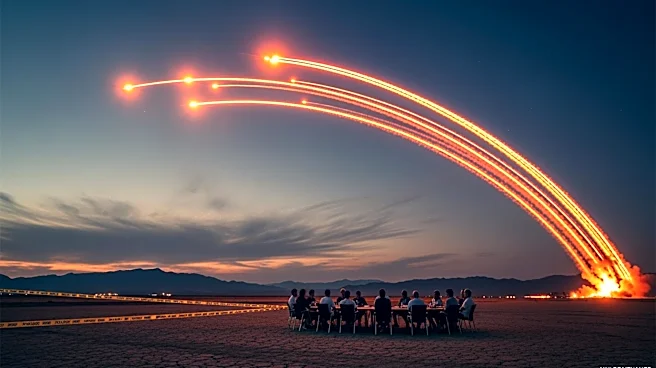
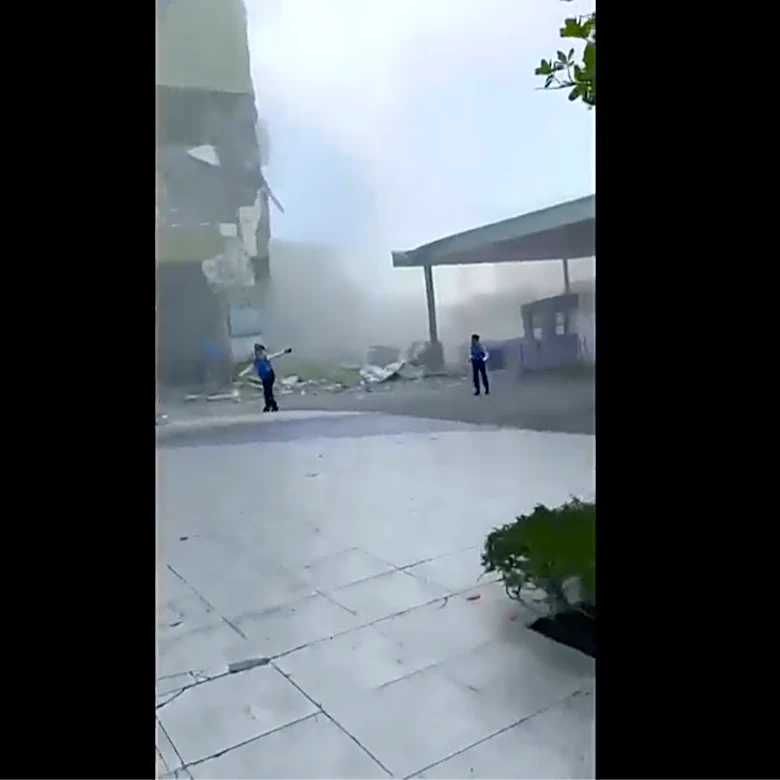
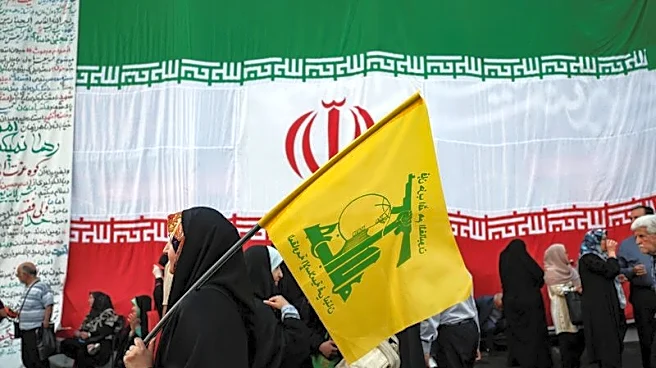
assets or ease sanctions unless Iran meets certain conditions, a stance that has become a major sticking point in negotiations. Iran, on the other hand, demands the release of frozen assets as part of any interim deal and ties broader discussions to regional security issues. The conflict, which began on February 28, has seen attacks on oil infrastructure and military installations across the Gulf, with the U.S. responding with strikes against Iranian military assets. The Strait of Hormuz, a critical waterway for global crude oil and LNG exports, remains a focal point in the negotiations, with traffic significantly reduced due to security concerns.
Why It's Important?
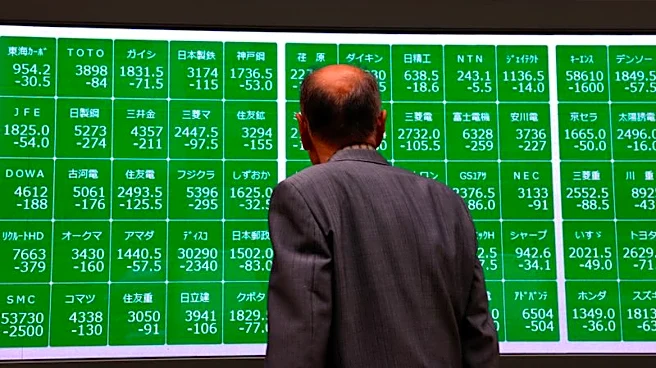
The ongoing conflict and stalled negotiations between the U.S. and Iran have kept global energy markets on edge, with oil prices remaining elevated compared to pre-conflict levels. West Texas Intermediate crude and Brent crude have both settled at high prices, reflecting the market's uncertainty. The situation has renewed concerns about global energy security and inflation, particularly if disruptions to Gulf oil exports continue. The inability to reach an agreement threatens to prolong the instability in the region, affecting not only energy markets but also broader geopolitical dynamics. The U.S. and its allies face the challenge of balancing pressure on Iran with the need to stabilize energy flows and regional security.
What's Next?
With no breakthrough in sight, the outlook for a durable ceasefire and the reopening of Gulf energy flows remains uncertain. The U.S. and Iran are likely to continue negotiations, but the fundamental disagreements over asset release and regional security conditions pose significant hurdles. The international community, particularly countries reliant on Gulf oil exports, will be closely monitoring the situation. Any escalation in military actions or further disruptions in the Strait of Hormuz could prompt a stronger international response or new diplomatic initiatives to resolve the conflict.