







What's Happening?
U.S. Sen. Lisa Murkowski (R-Alaska) has voiced strong opposition to the establishment of data centers near military installations in Alaska, specifically mentioning Joint Base Elmendorf-Richardson (JBER) and other Interior installations. Her primary concern
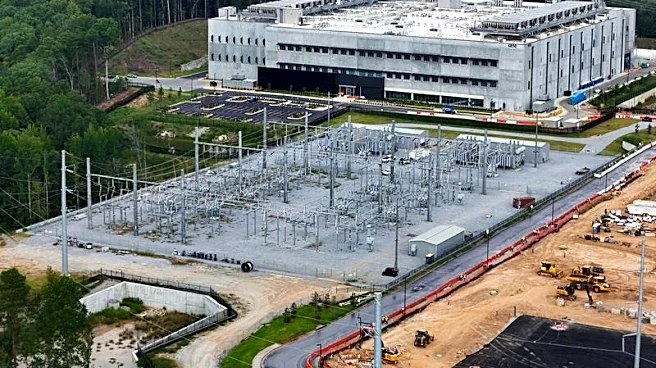
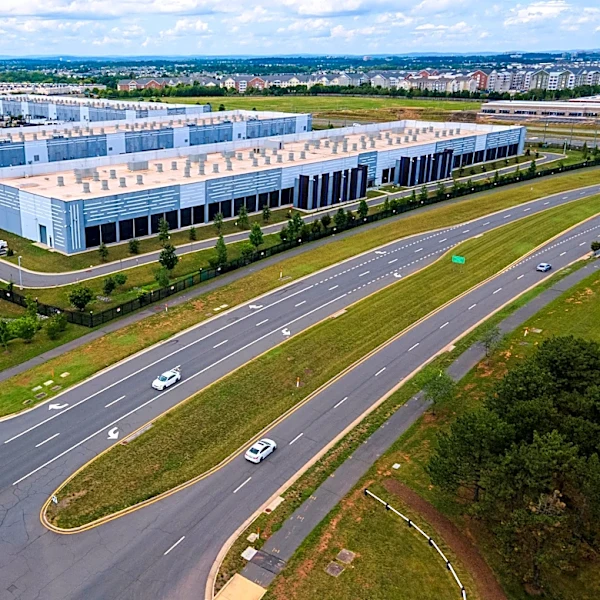
stems from the state's 'insecure energy base,' indicating that Alaska's current energy infrastructure is insufficient to support the substantial power demands of data centers. The Pentagon has proposed leasing approximately 4,700 acres of government land to private companies for up to a dozen new military data centers near Anchorage, Healy, and Fairbanks, as part of a broader effort to expand artificial intelligence capabilities nationwide. This initiative requires significant computing power, but it has drawn concerns from local residents and leaders regarding potential noise pollution and strain on energy resources. Salcha resident Sarah Hollister, for instance, expressed worry about the constant hum of data centers replacing the familiar sounds of military aircraft. While the Fairbanks North Star Borough Assembly is calling for a moratorium on data centers, their authority does not extend to military land, leaving them to hope the Air Force considers community concerns.
Why It's Important?
Senator Murkowski's stance highlights a critical intersection of national security, energy policy, and local community impact. The push for advanced AI capabilities by the military necessitates robust data infrastructure, but placing these facilities in regions with strained energy grids, like Alaska, could exacerbate existing energy challenges and increase utility costs for residents. Fairbanks already faces some of the highest utility costs in the nation. Furthermore, the potential for noise pollution from data centers could significantly affect the quality of life for communities adjacent to military bases, leading to environmental and social concerns. This situation also underscores the tension between federal defense objectives and local governance, as military land use decisions can bypass local regulations. The debate over data center placement in Alaska could set a precedent for how the U.S. balances its technological defense needs with environmental sustainability and community well-being in other remote or energy-sensitive regions.
What's Next?
The future of data center development near Alaska's military installations remains uncertain, as Senator Murkowski and local communities continue to raise concerns about energy security and environmental impact. The Pentagon's plans to lease land to private companies for these centers are still in the early stages, with no projects awarded yet. The Air Force has indicated that it will require data center contractors to demonstrate how they will reduce impacts and risks to surrounding communities, suggesting a potential for mitigation strategies to be incorporated into future plans. However, the fundamental issue of Alaska's energy capacity will likely need to be addressed before widespread data center development can proceed without significant opposition. This situation may lead to further legislative discussions, community advocacy, and potentially revised proposals from the military that prioritize sustainable energy solutions and address local concerns. The outcome could influence the broader national strategy for integrating advanced technology infrastructure with regional energy and environmental considerations.