






What's Happening?
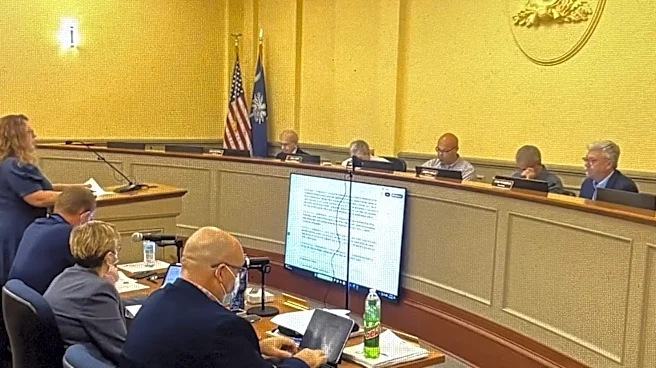
Prince William County, Virginia, currently hosts over 55 data centers with more than 75 additional facilities planned. The county's Board of Supervisors recently approved a new requirement for companies owning industrial-zoned land to undergo an approval
process for building these facilities, a measure not previously in place that contributed to the data center boom. Despite a significant influx of $550 million in new revenue from the data center industry in the last budget cycle, residents have not received the promised tax cuts. County Supervisor Yesli Vega stated that the promise was for meaningful tax relief for residents if the industry was ushered in. However, all of the $550 million in new revenue was spent, with a substantial portion, 57%, allocated to the public school system under a revenue-sharing agreement. Congressman Suhas Subramanyam joined residents in calling for a moratorium on data centers, arguing that Northern Virginia is oversaturated and that companies should seek locations with adequate energy infrastructure.
Why It's Important?
The situation in Prince William County highlights a growing tension between economic development, local taxation, and community expectations in areas experiencing rapid growth from industries like data centers. The failure to deliver promised tax relief despite a massive revenue increase could erode public trust in local governance and economic development strategies. For residents, the lack of tax cuts means they are not directly benefiting from the economic boom in the way they were led to believe, potentially increasing their financial burden. For the county, the allocation of significant data center revenue to public schools, as explained by County Chair Babur Lateef, demonstrates a strategic investment in education, aiming to elevate the school system's quality. However, this prioritization comes at the cost of immediate tax relief for property owners, creating a dilemma between long-term community investment and short-term financial benefits for residents. The debate also underscores the broader challenge of managing infrastructure demands, particularly energy, posed by the rapid expansion of data centers in concentrated areas.
What's Next?
The newly approved requirement for an approval process for data center construction on industrial-zoned land indicates a shift towards more regulated growth in Prince William County. This could slow the pace of new data center development and allow for more controlled planning. The ongoing debate between County Supervisor Yesli Vega, County Chair Babur Lateef, and Congressman Suhas Subramanyam suggests that the issue of data center expansion and its financial implications for residents will remain a prominent topic in local politics. Residents may continue to advocate for tax relief, potentially influencing future budget allocations and development policies. The call for a moratorium by Congressman Subramanyam could gain traction if infrastructure concerns, particularly regarding power lines and energy capabilities, become more pressing. Future discussions will likely focus on balancing the economic benefits of data centers with community needs, infrastructure demands, and the promise of tax relief.
Beyond the Headlines
This scenario in Prince William County reflects a national trend where communities grapple with the environmental and social impacts of large-scale industrial development, even when it brings substantial revenue. The ethical dimension revolves around the promises made to residents regarding tax relief versus the actual allocation of funds towards public services like education. While investing in schools is a commendable goal, the perceived broken promise could lead to civic disengagement and distrust. The long-term implications include potential shifts in how local governments negotiate with large corporations, emphasizing not just revenue generation but also direct community benefits and infrastructure sustainability. It also raises questions about the equitable distribution of economic gains and the responsibility of industries to mitigate their environmental footprint, particularly concerning energy consumption and land use. The pushback from residents and a Congressman suggests a growing awareness and demand for more transparent and community-centric development policies.