
What's Happening?
The Trump administration has proposed weakening regulations for the disposal of coal ash, a byproduct of burning coal that contains hazardous heavy metals. These regulations, strengthened under the Biden
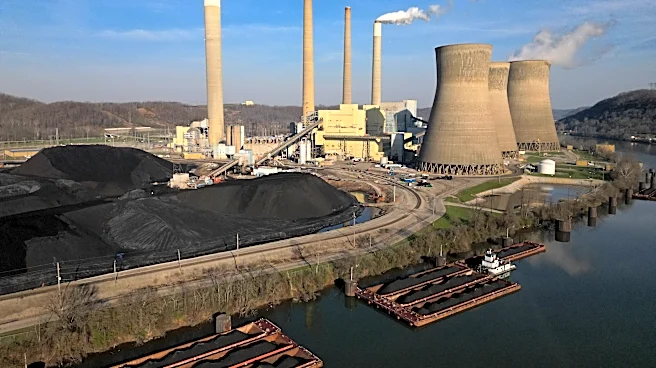
administration, aimed to protect groundwater from contamination. The proposal includes easing standards for monitoring and protecting groundwater near coal ash sites and rolling back rules that require the cleanup of entire coal properties. The Environmental Protection Agency (EPA) argues that the changes are necessary to restore American energy dominance and accommodate unique circumstances at certain facilities. Critics, including environmental groups, warn that the changes could lead to increased pollution and health risks for communities near coal plants.
Why It's Important?
The proposed rollback of coal ash disposal regulations has significant implications for public health and environmental safety. Coal ash contains toxic substances like mercury and lead, which can contaminate water sources and pose serious health risks. The move is part of a broader effort by the Trump administration to support the fossil fuel industry, potentially at the expense of cleaner energy alternatives. This decision could lead to increased pollution and health hazards, particularly for communities living near coal plants. The proposal has sparked criticism from environmental advocates who argue that it prioritizes industry profits over public health.
What's Next?
The proposal is likely to face legal challenges from environmental groups and community advocates who are concerned about the potential health impacts. The EPA's decision may also prompt further scrutiny and debate over the balance between energy industry interests and environmental protection. As the proposal moves through the regulatory process, stakeholders will be closely monitoring its progress and potential implications for public health and environmental standards.