









What's Happening?
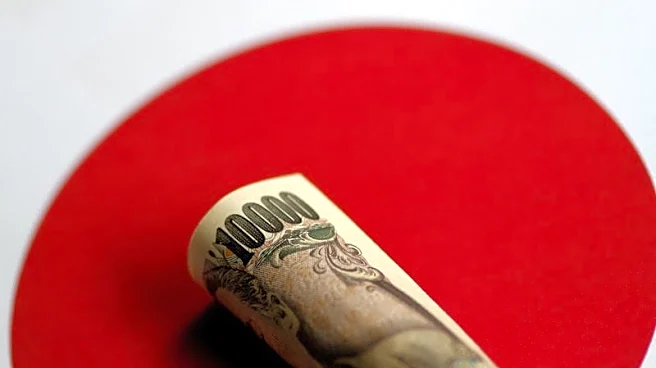
The U.S. Treasury and Japan's Ministry of Finance have conducted a joint operation to stabilize the Japanese yen, which has plummeted to its weakest level in 40 years. This intervention, the first in 30 years, was prompted by fears of potential disruptions
in U.S. financial markets due to Japan's significant holdings of U.S. financial assets. The yen's decline is primarily due to Japan's low interest rates compared to rising rates globally. The intervention involved significant financial outlays from both countries, with the U.S. using euros to purchase yen, reflecting concerns over the dollar's value.
Why It's Important?
The intervention is significant as it highlights the interconnectedness of global financial markets and the potential impact of currency fluctuations on economic stability. Japan's large holdings of U.S. Treasury bonds mean that any major shifts in its financial strategy could affect U.S. markets. The operation underscores the importance of international cooperation in addressing financial challenges and maintaining market stability. It also reflects broader concerns about the sustainability of the U.S.'s growing debt and the role of foreign capital in financing it.
What's Next?
Both the U.S. and Japan have signaled their willingness to take further action if necessary to stabilize the yen. This may involve additional interventions or policy adjustments to address the underlying economic factors contributing to the yen's weakness. The situation may also lead to broader discussions on global economic policies and the need for coordinated efforts to manage financial market risks.