





What's Happening?
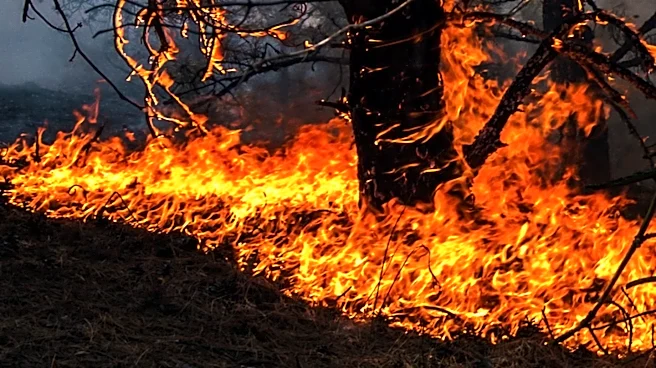
The New York State Department of Environmental Conservation (DEC) has issued a warning to residents and outdoor enthusiasts regarding an increased risk of wildfires across the state. This alert comes as dry conditions persist, making the landscape more
susceptible to fires. DEC officials have identified unattended or improperly extinguished campfires as a primary cause of recent wildfires. They are urging campers and hunters to exercise extreme caution, advising them to avoid campfires whenever possible and to ensure any fires are completely doused with water before leaving a site. The department also noted that smoke from brushfires in the southern United States is contributing to elevated particulate matter in New York's air, further highlighting the widespread nature of wildfire concerns.
Why It's Important?
The DEC's warning is crucial for public safety and environmental protection in New York. Wildfires pose significant threats to natural habitats, private property, and human health. The emphasis on proper campfire management directly addresses a preventable cause of these fires, aiming to mitigate risks before they escalate. For outdoor recreation industries, this warning could influence activities like camping and hunting, potentially leading to temporary restrictions if conditions worsen. Economically, large-scale wildfires can incur substantial costs related to firefighting efforts, property damage, and long-term ecological restoration. The mention of smoke from southern U.S. brushfires affecting New York's air quality underscores the interconnectedness of environmental issues across regions, impacting public health and potentially increasing healthcare burdens due to respiratory issues.
What's Next?
Residents and outdoor enthusiasts in New York are advised to remain vigilant and adhere to DEC guidelines regarding outdoor burning. The DEC will likely continue to monitor weather patterns and ground conditions, potentially issuing further advisories or implementing burn bans if dry conditions persist or worsen. Public awareness campaigns about wildfire prevention are expected to continue, emphasizing the importance of calling 911 immediately if a wildfire is spotted. The ongoing impact of smoke from southern U.S. fires will also be monitored, with potential health advisories issued by local authorities if air quality deteriorates significantly. Future actions may include increased patrols in high-risk areas to ensure compliance with fire safety regulations.
Beyond the Headlines
Beyond the immediate threat of wildfires, this situation highlights broader environmental challenges, including the potential long-term effects of climate change on regional weather patterns, leading to more frequent and intense dry spells. The interconnectedness of air quality across states due to smoke plumes also points to the need for coordinated national strategies for wildfire management and air pollution control. Ethically, there's a responsibility for individuals to practice environmental stewardship, particularly when engaging in outdoor activities that carry fire risks. The economic implications extend beyond direct damage, affecting tourism, agriculture, and the overall well-being of communities reliant on natural resources. This event serves as a reminder of the delicate balance between human activity and environmental vulnerability.