



What's Happening?
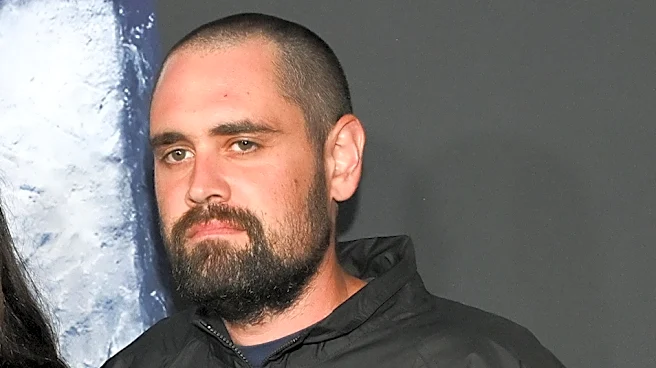
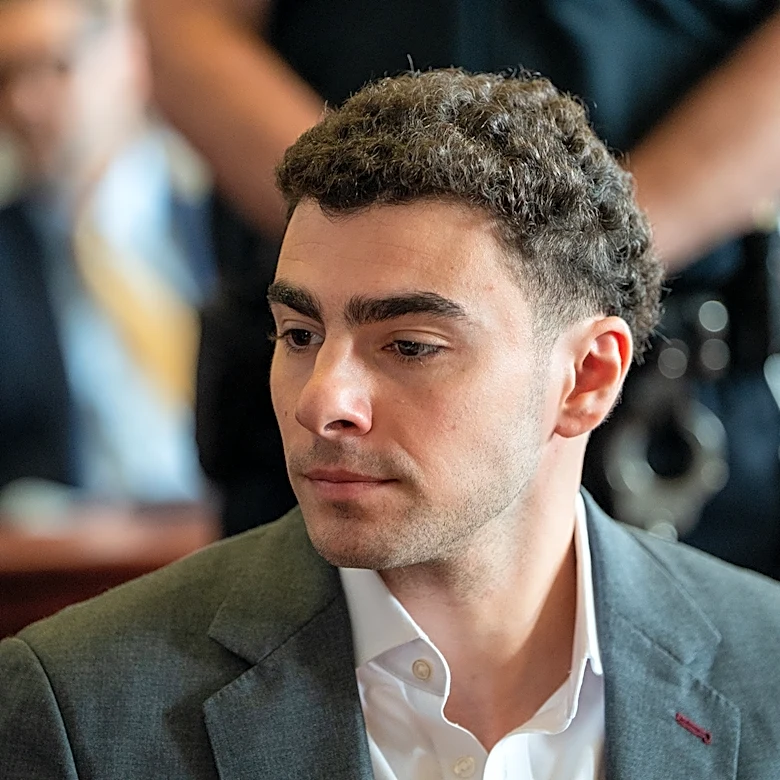
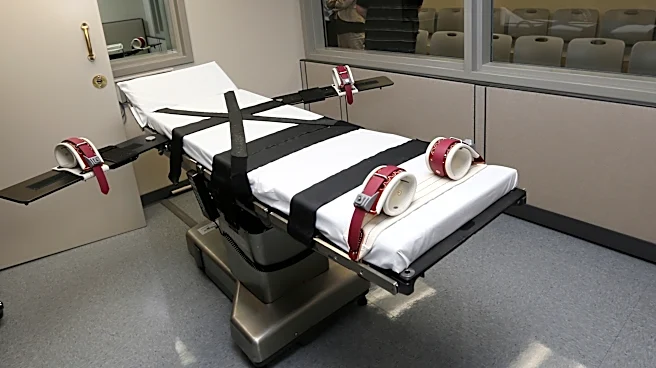
Defense attorneys for Tyler Robinson, charged with the murder of conservative activist Charlie Kirk, argue that Robinson should not face the death penalty. They claim that Robinson did not endanger others when he shot Kirk from a rooftop during an event
in Utah. The defense contends that the bullet traveled above the crowd, and there is insufficient evidence to prove Robinson's intent to harm others. Prosecutors allege that Robinson targeted Kirk due to his political views, but the defense disputes this, citing a lack of evidence beyond a single statement made by Robinson. The case is currently in the pre-trial phase, with prosecutors expected to respond to the defense's arguments soon.
Why It's Important?
The case highlights the complexities of legal proceedings involving high-profile figures and politically charged motives. The outcome could set precedents for how similar cases are handled, particularly regarding the application of the death penalty. The defense's arguments raise questions about the burden of proof required to establish intent and the potential implications for Robinson's sentencing. The case also underscores the broader societal tensions surrounding political discourse and the potential for violence. As the trial progresses, it will be closely watched by legal experts, political commentators, and the public.
What's Next?
The court is set to hear closing arguments in the preliminary hearing on September 1, after which a decision will be made on whether the case will proceed to trial. Prosecutors have until August 18 to respond to the defense's arguments. The legal teams will continue to prepare their cases, gathering evidence and refining their strategies. The outcome of the preliminary hearing will determine the charges Robinson faces and the potential penalties. The case may also prompt discussions about security measures at public events and the responsibilities of organizers to ensure the safety of attendees.