





What's Happening?
A Tallahassee judge has ruled that the language used in the title and summary of a proposed property tax amendment in Florida is misleading and must be rewritten. The amendment, known as Amendment 3, aims to increase the state's homestead exemption and was
initially proposed by Governor Ron DeSantis. The judge, David Frank, stated that the language used in the ballot was more akin to a political slogan rather than a neutral explanation, thus failing to inform voters of the amendment's chief purpose. Attorney General James Uthmeier has been given 10 days to redraft the language. Despite the ruling, the amendment will remain on the November ballot, requiring a 60% approval from voters to be added to the Florida Constitution.
Why It's Important?
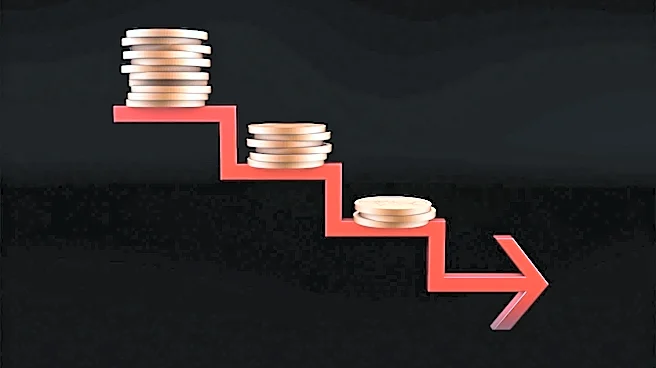
The ruling highlights the importance of clear and unbiased language in ballot measures, ensuring voters are accurately informed about what they are voting on. The amendment, if passed, could significantly impact public services by shifting the tax burden, potentially reducing funding for essential services like emergency response and education. This has raised concerns among various stakeholders, including unions and community groups, who argue that the amendment could lead to increased costs for renters and businesses. The decision to rewrite the language could influence voter perception and the outcome of the vote, affecting the financial landscape of Florida's public services.
What's Next?
Attorney General Uthmeier must submit a revised ballot title and summary within 10 days. If the new language is still considered misleading, it could face further legal challenges. The outcome of this process will be closely watched by both supporters and opponents of the amendment, as it could set a precedent for how ballot measures are presented in the future. The decision could also influence the strategies of political parties and advocacy groups as they prepare for the upcoming vote.