




What's Happening?
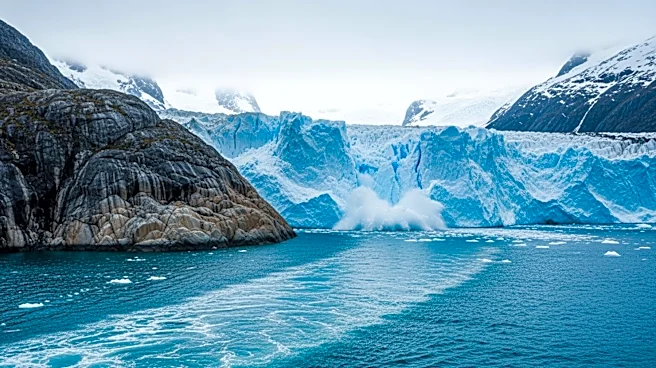
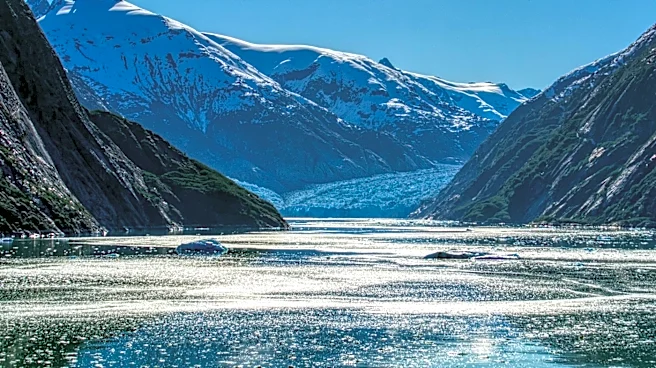
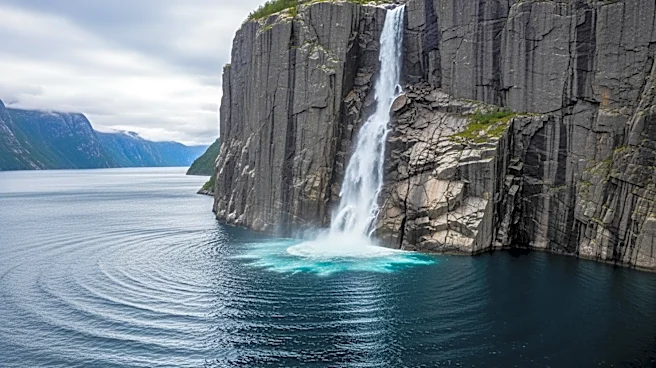
On August 10, 2025, a significant geological event occurred in Alaska's Tracy Arm fjord when a massive wedge of rock, measuring at least 63.5 million cubic meters, detached from a mountain. This rockfall plunged into the deep waters at the terminus of the South
Sawyer Glacier, generating an initial wave 100 meters high. This wave traveled across the fjord at speeds exceeding 70 meters per second, eventually surging up the opposite shoreline to a height of 481 meters above sea level. This event is noted as the second highest tsunami ever recorded on Earth. Fortunately, due to the early morning timing, there were no injuries or fatalities reported. The landslide was a result of the retreating South Sawyer Glacier, which had previously supported the structural integrity of the slope.
Why It's Important?
The event highlights the potential dangers posed by landslide-generated tsunamis, which can be more localized and violent than those caused by earthquakes. The retreat of glaciers, attributed to climate change, is a significant factor in destabilizing mountain slopes, increasing the risk of such events. This incident underscores the need for monitoring and preparedness in regions susceptible to similar geological phenomena. The absence of casualties in this instance was largely due to timing, but future occurrences could pose significant risks to human life and infrastructure, especially in tourist areas.
What's Next?
The event calls for increased geological monitoring and research to better predict and mitigate the risks of landslide-induced tsunamis. Authorities may need to implement early warning systems and develop evacuation plans for vulnerable areas. Additionally, the ongoing effects of climate change on glacier retreat and its impact on geological stability will likely be a focus of future studies. This could lead to policy changes aimed at addressing climate change and its broader environmental impacts.
Beyond the Headlines
The Tracy Arm fjord tsunami serves as a stark reminder of the interconnectedness of climate change and geological events. As glaciers continue to retreat, the frequency and intensity of such natural disasters may increase, posing new challenges for disaster management and environmental policy. This event also highlights the importance of public awareness and education on the potential risks associated with natural landscapes, particularly in areas popular with tourists.