






What's Happening?
New York households are contending with residential electricity prices that are nearly 58% higher than the national average, according to data from the Energy Information Administration (EIA) analyzed by the Empire Center for Public Policy. The state's
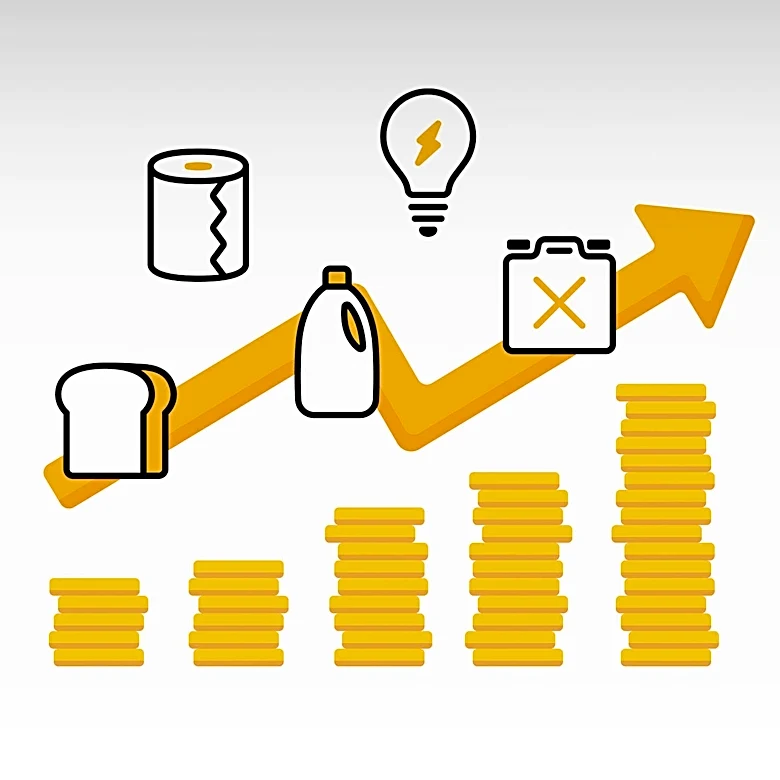
average residential electricity price stands at 28.65 cents per kilowatt-hour. This translates to an estimated annual increase of $275 for a home consuming 800 kilowatt-hours monthly, significantly higher than the median nationwide increase of $82. Since August 2019, nationwide household electricity prices have risen by 36.5%, while New York has seen a 55.9% increase. Zilvinas Silenas, president of the Empire Center for Public Policy, stated that these high costs are placing an additional burden on already stretched household budgets and indicate a failure in New York's energy policy.
Why It's Important?
The substantially higher electricity costs in New York place a significant financial strain on residents, impacting their disposable income and overall cost of living. This disparity in energy prices compared to the national average can make the state less attractive for residents and businesses, potentially affecting economic growth and competitiveness. The Empire Center, a conservative think tank, uses this data to advocate for natural gas as a more affordable alternative, highlighting the policy implications of energy choices. The high electricity prices also underscore the challenges in transitioning to cleaner energy sources if the costs are not managed effectively, potentially creating public resistance to environmental initiatives despite their long-term benefits.
What's Next?
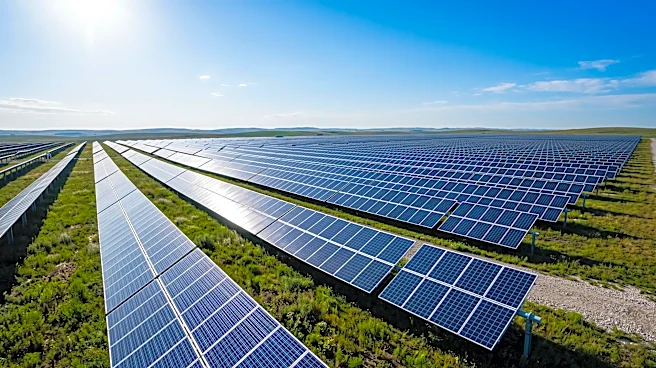
The ongoing high electricity prices in New York are likely to fuel continued debate over the state's energy policies. While the Empire Center suggests natural gas as an alternative, proponents of renewable energy emphasize solutions like residential solar and heat pumps. The potential for solar panels, especially when combined with heat pumps and net metering policies, to reduce household energy costs is being highlighted. The discussion will likely revolve around how to make clean energy solutions more accessible and affordable for New Yorkers, potentially through incentives, improved grid infrastructure, or revised utility rate structures. The state's energy policy will need to address both affordability and environmental goals to alleviate the burden on households.
Beyond the Headlines
The situation in New York reflects a broader national tension between energy affordability, environmental goals, and infrastructure investment. The Empire Center's analysis, while focusing on the cost disadvantage of electricity, also implicitly raises questions about the economic impact of policies aimed at decarbonization. The debate over energy sources—natural gas versus renewables—is not just about cost but also about long-term environmental sustainability and energy independence. The high electricity prices could accelerate the adoption of distributed energy resources like rooftop solar and battery storage, especially if net metering policies are favorable. This could lead to a more decentralized energy grid, empowering consumers to generate and store their own power, thereby reducing reliance on traditional utilities and potentially mitigating the impact of future rate hikes. However, the equitable access to such technologies remains a critical challenge.