







What's Happening?
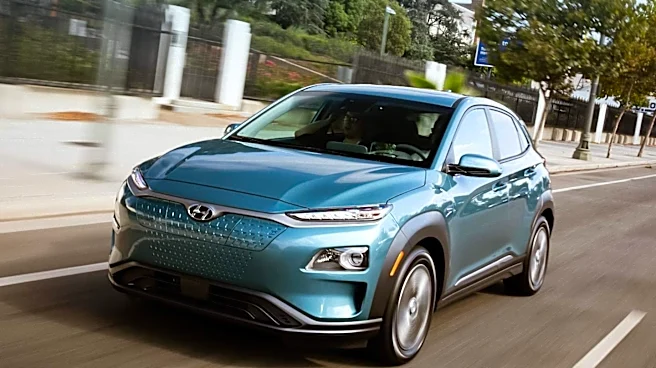
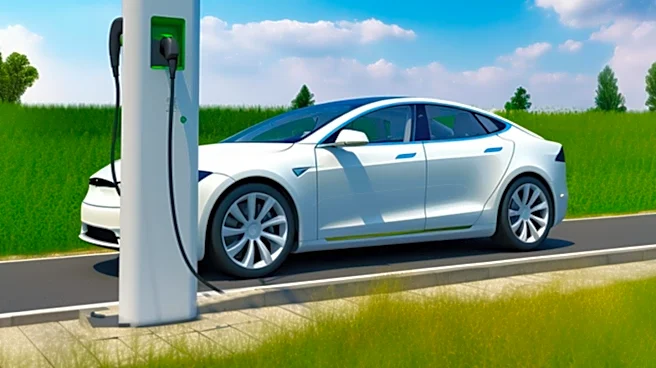
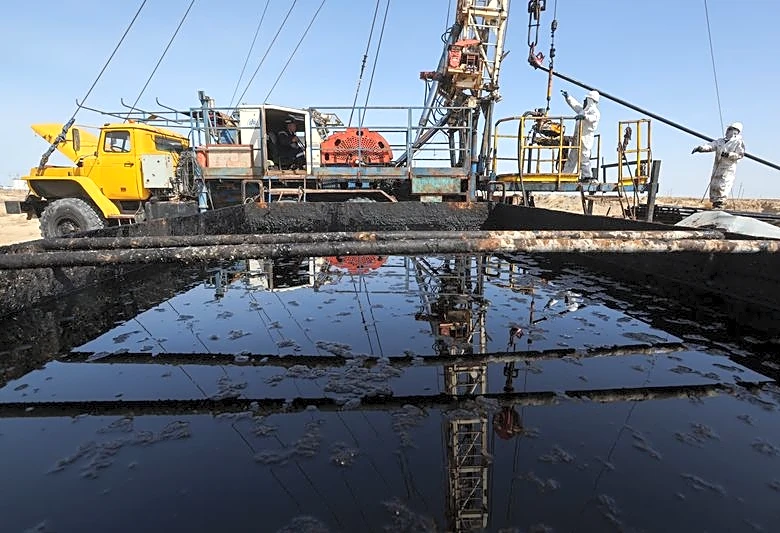
Pakistan is accelerating its transition to electric vehicles (EVs) to reduce reliance on imported petroleum, enhance energy security, and lower carbon emissions. The National Electric Vehicle (NEV) Policy 2025-30 targets 30% of new vehicle sales to be
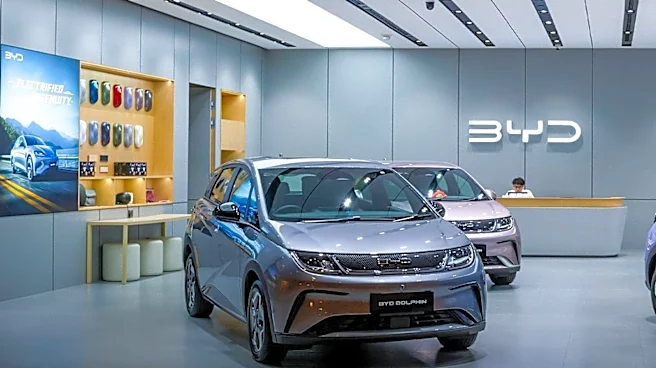
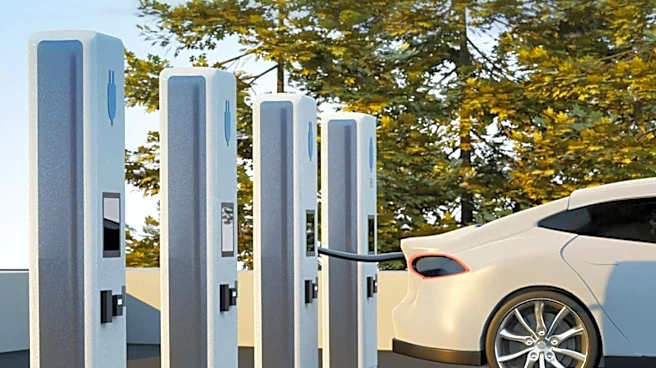
electric by 2030. The policy includes establishing 3,000 charging stations and promoting local manufacturing. Experts highlight China's success in electric mobility as a model for Pakistan, emphasizing the need for policy consistency, infrastructure development, and technology transfer. The shift to EVs is expected to save fuel, reduce emissions, and generate foreign exchange savings.
Why It's Important?
Pakistan's move towards electric vehicles represents a strategic effort to address energy security and environmental challenges. By reducing dependence on imported fuels, the country can improve its trade balance and enhance economic resilience. The transition also supports global climate goals by lowering carbon emissions. The development of a robust EV ecosystem, including charging infrastructure and local manufacturing, can stimulate economic growth and create jobs. This initiative aligns with global trends towards sustainable transportation and highlights the potential for international cooperation in technology and policy development.