







What's Happening?
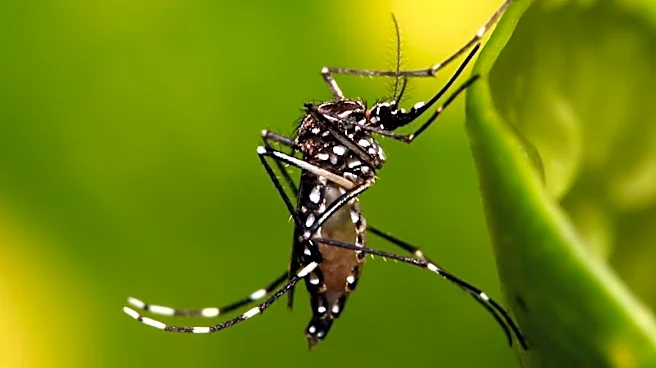
Chikungunya is an emerging arbovirus disease caused by the chikungunya virus (CHIKV), primarily transmitted to humans through the bites of infected Aedes aegypti and Aedes albopictus mosquitoes. These are the same mosquito species responsible for spreading
dengue and Zika viruses. The disease was first identified in Tanzania in 1952, and its name, meaning 'bent over' in a local language, refers to the severe joint pain it often causes. Symptoms typically appear 3-7 days after a mosquito bite and include sudden high fever, intense polyarthralgia (severe joint pain), muscle pain, headache, rash, and fatigue. While most individuals recover within a couple of weeks, the joint pain can persist for months or even years in some cases. Although death is rare, severe cases can occur, particularly in older adults or those with underlying health conditions. The virus has spread globally from its original circulation in Africa and Asia, reaching the Americas and parts of Europe, with major outbreaks reported in various regions.
Why It's Important?
The global spread of the chikungunya virus poses a significant public health concern due to its debilitating symptoms and the potential for long-term complications. The severe and sometimes chronic joint pain associated with chikungunya can significantly impact an individual's quality of life and productivity, leading to economic burdens from healthcare costs and lost workdays. The virus's ability to spread through Aedes mosquitoes, which are increasingly found in new regions due to factors like climate change and urbanization, means that more populations are at risk. The lack of a specific antiviral treatment or a widely available vaccine further complicates disease management and prevention efforts. The potential for neurological complications, though rare, adds another layer of concern, highlighting the need for robust surveillance and control measures to mitigate its impact on public health systems and communities worldwide.
What's Next?
Efforts to combat the chikungunya virus are focused on several fronts. Research and development for vaccines are ongoing, with various types, including live weakened virus, inactivated virus, virus-like particle, mRNA, and viral vector vaccines, currently in testing. Some of these have reached late-stage clinical trials, showing promising immune protection, but none are yet widely available. In the absence of a vaccine, treatment remains supportive, focusing on pain relief, rest, and hydration. Public health strategies will continue to emphasize mosquito control measures, such as eliminating standing water where mosquitoes breed, and personal protection against mosquito bites, including the use of repellents and protective clothing. Strengthening surveillance systems to track the virus's circulation and identify outbreaks early will be crucial, especially as climate change and global travel facilitate its expansion into new territories. Continued research into the virus's dynamics and potential long-term effects will also be vital for developing more effective interventions.
Beyond the Headlines
The ongoing spread of chikungunya underscores broader challenges in global health, particularly the interconnectedness of environmental factors, human mobility, and disease transmission. Climate change, by expanding the habitats of Aedes mosquitoes, is directly contributing to the emergence of arboviruses in previously unaffected areas. Urbanization and dense populations create ideal conditions for rapid disease transmission, while international travel can quickly introduce the virus to new regions. This highlights the need for a 'One Health' approach, integrating human, animal, and environmental health strategies to address such complex threats. The long-term joint pain experienced by some chikungunya patients also raises questions about chronic disease management in the context of infectious diseases and the need for comprehensive post-infection care. Furthermore, the development of effective vaccines and treatments for chikungunya could serve as a model for addressing other emerging infectious diseases, emphasizing the importance of sustained investment in scientific research and global health infrastructure.