





What's Happening?
Jersey City is set to launch a new Camera-Assisted Parking Enforcement (CAPE) pilot program next week in targeted commercial corridors, including the Grove Street PATH station and Newark Pedestrian Plaza in Ward E, and Bergen Square in Ward C. The program aims
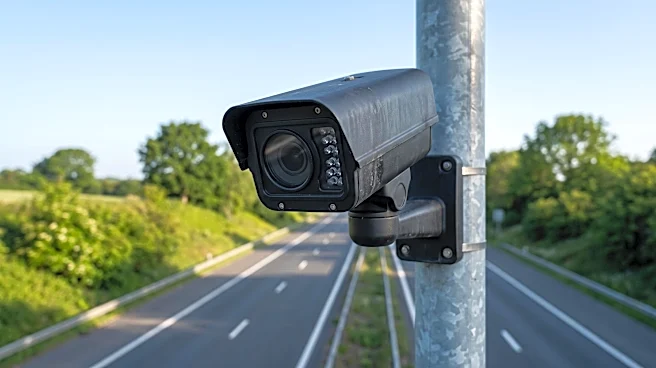
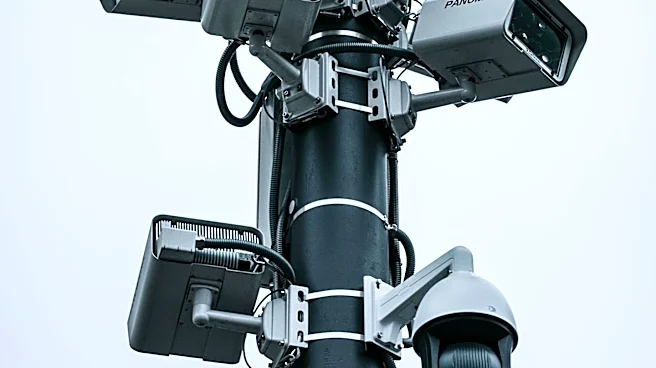
to address various parking infractions such as double parking, blocking crosswalks and bike lanes, improper parking near intersections, and overstaying time limits in loading zones. City officials state that these violations compromise visibility at crossings, force vulnerable road users into active traffic lanes, impede business access, and delay emergency and transit vehicles. While the system uses automated camera capture to detect potential violations, city officials emphasize that the technology does not independently issue tickets. Instead, a time-stamped image of the vehicle is captured, and a Jersey City Police Department parking enforcement official reviews each flagged incident for accuracy before authorizing any citation. If verified, citations will be mailed to the registered vehicle owners.
Why It's Important?
This pilot program represents a significant shift in how Jersey City manages urban traffic and parking enforcement, potentially improving public safety and traffic flow. By targeting specific commercial corridors and high-traffic areas, the city aims to alleviate congestion and enhance accessibility for businesses and emergency services. The initiative could lead to a reduction in accidents involving pedestrians and cyclists by ensuring crosswalks and bike lanes remain clear. Furthermore, by deterring improper parking, the program could improve the efficiency of public transportation and emergency vehicle response times. The emphasis on human review by a police official before issuing citations is crucial for maintaining public trust and addressing concerns about automated enforcement, ensuring that the technology serves as an aid rather than a sole decision-maker. This approach could set a precedent for other urban areas considering similar camera-assisted enforcement strategies.
What's Next?
The CAPE pilot program is scheduled to officially launch next Monday. Following its implementation, city officials will likely monitor its effectiveness in reducing parking violations and improving traffic conditions in the designated areas. Data collected from the pilot will be crucial in evaluating the program's success and determining whether to expand it to other parts of Jersey City or make it a permanent fixture. Public feedback and community response to the automated enforcement system will also play a role in its future. Depending on the outcomes, other municipalities facing similar parking and traffic challenges may look to Jersey City's experience as a model for their own enforcement strategies. The program's success could lead to broader adoption of camera-assisted enforcement technologies across various urban settings.
Beyond the Headlines
The introduction of camera-assisted enforcement raises broader discussions about the balance between technological efficiency and individual privacy. While the program aims to enhance public safety and order, the use of automated cameras for surveillance, even for parking violations, can spark debates about data collection, storage, and potential misuse. The city's commitment to human review before issuing citations is a critical safeguard, but the underlying technology still involves continuous monitoring of public spaces. This development also highlights the increasing reliance on smart city technologies to manage urban infrastructure and services. The long-term implications could include a more data-driven approach to urban planning and law enforcement, potentially leading to more efficient cities but also requiring careful consideration of ethical guidelines and transparency in technology deployment.