




What's Happening?
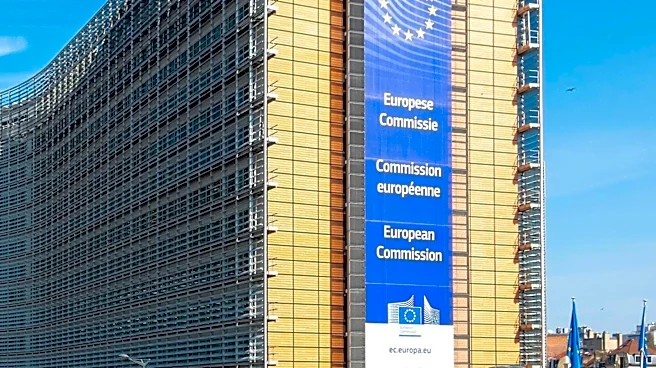
The European Commission has instructed European Union member states to postpone national bans on social media for children for a period of 12 months. This directive comes as the Commission advocates for a single, unified EU-wide law to regulate children's
access to social media platforms. As a direct consequence, Austria's plan to restrict social media access for individuals under 14 years old has been put on hold. In September, the Commission introduced the EU Kids Act, a legislative proposal designed to prohibit most social media access for children under 13 and to limit access for those under 15. The implementation of the EU Kids Act is contingent upon agreement from the European Parliament and EU governments, and it may not come into effect until 2028. Despite this, Denmark has indicated its intention to proceed with its own national legislation regarding social media access for minors.
Why It's Important?
This development signifies a move towards a more harmonized approach to digital regulation across the European Union, potentially impacting how U.S. social media companies operate within the EU market. A unified EU Kids Act could create a consistent regulatory environment, simplifying compliance for tech companies but also potentially imposing stricter age verification and content moderation requirements than those currently in place in the U.S. The delay in national bans suggests a preference for a comprehensive, bloc-wide strategy over fragmented national policies, which could influence future regulatory discussions in other regions, including the U.S., regarding child online safety. The outcome of the EU Kids Act will determine the extent of these new restrictions and could set a precedent for how governments globally address the challenges of children's engagement with social media.
What's Next?
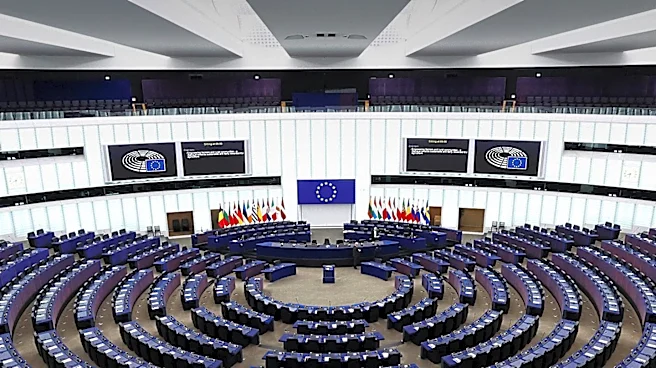
The European Parliament and EU governments are expected to deliberate on the proposed EU Kids Act. This process could extend until 2028 before the legislation is potentially enacted. During this period, individual member states like Denmark may continue to pursue their own national laws, creating a complex regulatory landscape in the interim. The decision by the European Commission to delay national bans indicates a strategic effort to consolidate regulatory power and establish a consistent framework across the EU. The ongoing discussions and eventual implementation of the EU Kids Act will be closely watched by U.S. tech companies and policymakers, as it could influence future regulatory trends concerning online child safety and data privacy.
Beyond the Headlines
The push for a unified EU Kids Act highlights a growing global concern regarding the impact of social media on children's well-being and development. This initiative reflects a broader societal debate about the responsibilities of tech companies in protecting young users and the role of governments in regulating digital spaces. The ethical implications of age verification technologies, data privacy for minors, and the potential for digital addiction are central to these discussions. The EU's approach could inspire similar legislative efforts in the U.S. and other countries, leading to a global re-evaluation of how children interact with online platforms and the safeguards necessary to ensure their safety and healthy development in the digital age.