






What's Happening?
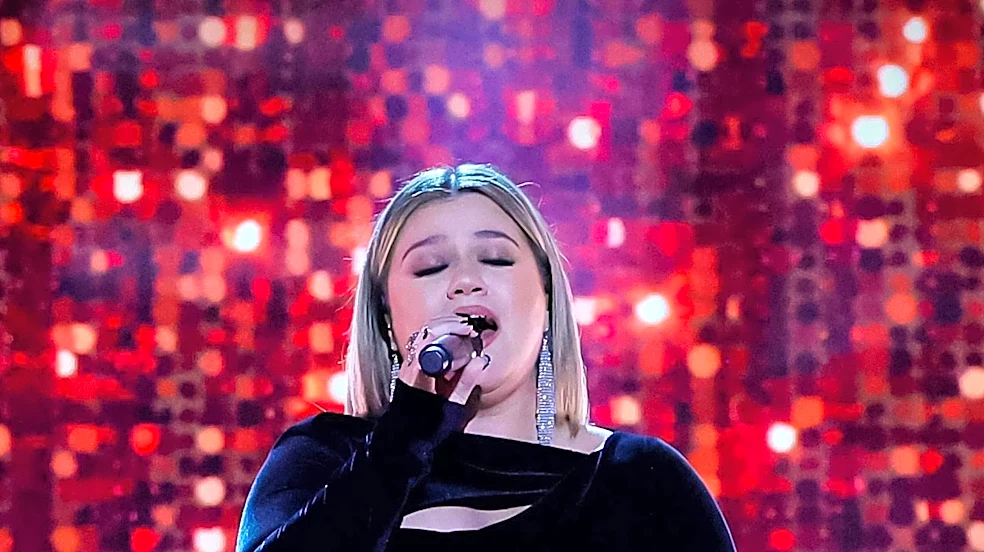
Kelly Clarkson is facing public scrutiny following a social media post where she accused a Brooklyn curiosity shop, Art of Play, of treating her poorly. Clarkson claimed she was looked down upon and implied she couldn't afford a $15,000 animatronic bird,
comparing the experience to a scene from the movie 'Pretty Woman.' The store, which specializes in unusual toys and gifts, denied her allegations and subsequently released security footage of Clarkson's visit. The video shows Clarkson interacting with staff and browsing the store, but it does not contain audio of the specific conversation in question. This incident has led to a surge of negative online reviews for Art of Play and has drawn mixed reactions from the public regarding Clarkson's account. Actress Ruby Rose has publicly defended Clarkson, recalling a positive past interaction with the singer.
Why It's Important?
This incident highlights the significant impact of celebrity social media posts on small businesses. Clarkson's large platform instantly generated negative attention for Art of Play, leading to a barrage of critical reviews and potentially affecting its reputation and sales. The dispute also raises questions about the responsibility of public figures when sharing negative experiences online, especially when those experiences are disputed. For Clarkson, a crisis PR expert has warned that the controversy could damage her carefully cultivated 'relatable' public image, which is a key component of her brand and the success of her Emmy Award-winning talk show, 'The Kelly Clarkson Show.' The situation underscores the power dynamics between celebrities and local businesses in the digital age.
What's Next?
The immediate aftermath of this dispute will likely involve continued public debate and scrutiny of both Kelly Clarkson and Art of Play. The store may need to actively manage its online reputation to counteract the negative reviews and perceptions generated by the incident. For Clarkson, her public relations team may need to address the backlash to mitigate any long-term damage to her image. This could involve further statements, apologies, or a strategic shift in her public messaging. The incident may also serve as a cautionary tale for other celebrities regarding the potential consequences of sharing personal grievances about businesses on social media, prompting a reevaluation of how such interactions are handled publicly.
Beyond the Headlines
Beyond the immediate controversy, this event touches upon broader themes of consumer experience, class perception, and the double-edged sword of social media influence. Clarkson's 'Pretty Woman' comparison evokes a common narrative of perceived class discrimination, resonating with many who have felt judged in retail environments. However, the store's counter-narrative and the release of security footage complicate this perception, suggesting that initial accounts can be subjective or incomplete. The incident also underscores the vulnerability of small businesses to online mob mentality, where a single negative post from a prominent figure can trigger disproportionate backlash. It prompts a discussion about the ethics of public shaming and the need for due diligence before public condemnation, especially when the full context of an interaction is not immediately clear.