


What's Happening?
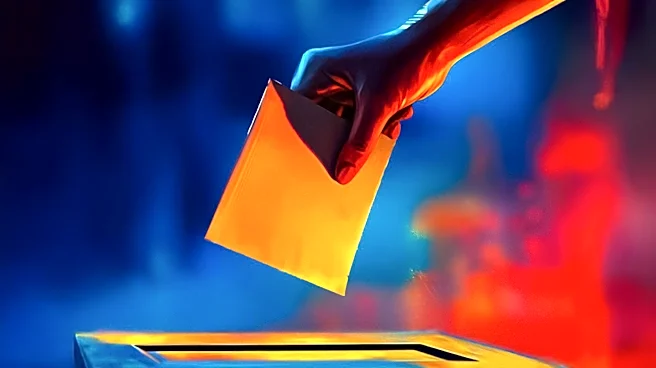
Congressman Joe Morelle, the top Democrat on the Committee on House Administration, has spearheaded a bipartisan initiative involving 261 current and former Members of Congress to challenge President Trump's Executive Order aimed at controlling mail-in
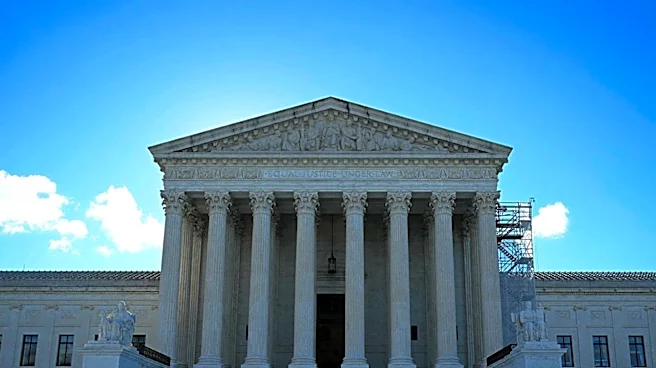
ballots for the 2026 midterm elections. This group filed an amicus brief with the Supreme Court of the United States in the case of *United States Postal Service, et al., v. State of California, et al.*, a lawsuit initiated by a coalition of State Attorneys General against the USPS. The legal challenge targets a Final Rule issued by the USPS, which stems from President Trump's order. This rule seeks to impose what critics describe as unconstitutional and unworkable restrictions on mail-in voting, including demands for states to provide a 'citizenship verification list' and an attempt to grant the USPS control over who can vote by mail. Congressman Morelle stated that presidents do not control elections, emphasizing the constitutional authority of Congress and the American people in safeguarding the electoral process from executive overreach.
Why It's Important?
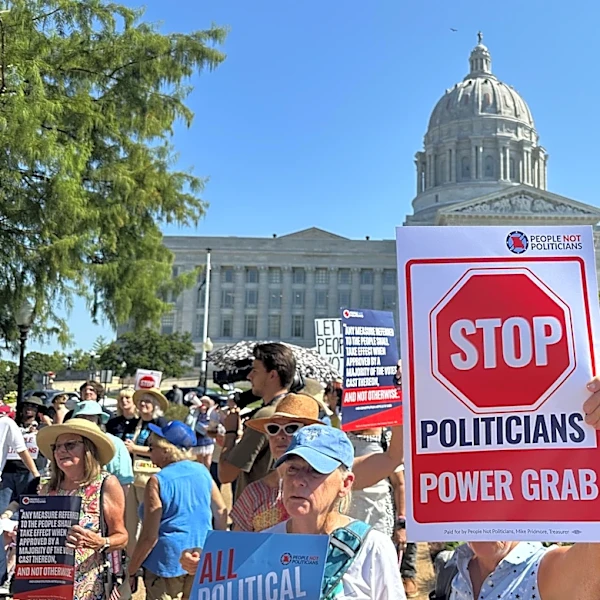
This bipartisan legal challenge is significant because it directly confronts an executive action perceived as an attempt to alter election administration, which is primarily the purview of states and Congress under Article I of the U.S. Constitution. The amicus brief argues that President Trump's Executive Order 14399, 'Ensuring Citizenship Verification and Integrity in Federal Elections,' violates the separation of powers. The potential implications of the USPS rule, if implemented, could be substantial, affecting millions of voters who rely on mail-in ballots. Approximately one-third of Americans are expected to vote by mail in the upcoming midterm elections. Critics argue that the rule could lead to widespread disenfranchisement by creating new barriers to voting, such as requiring specific barcodes on ballot envelopes and states to upload voter data to a non-operational USPS portal. The legal battle highlights a fundamental dispute over federal versus state control in election processes and the potential for executive orders to impact voter access and election integrity.
What's Next?
The Supreme Court is currently considering the Trump administration's request to allow the new federal mail ballot requirements to proceed for the midterms. Rulings from the Supreme Court or the 1st U.S. Circuit Court of Appeals could come as early as this week, potentially causing significant upheaval to mail-in voting procedures. If the courts allow the USPS rule to be implemented, states would face immense challenges in complying with new requirements, such as reprinting ballot envelopes with specific barcodes and providing citizenship verification lists, with little time before the elections. Election officials across the country have warned of potential 'confusion and chaos' and 'significant disenfranchisement' if the plan moves forward. Conversely, if the courts uphold the lower court's block on the rule, election officials will continue with existing mail-in voting procedures, alleviating immediate concerns about last-minute changes.
Beyond the Headlines
The legal confrontation over mail-in voting rules delves into deeper constitutional questions regarding the balance of power between the executive branch, Congress, and state governments in election administration. The debate over 'citizenship verification lists' and federal control over mail-in voting touches upon sensitive issues of voter access, election security, and the prevention of voter fraud. While proponents argue such measures enhance election integrity, opponents contend they create unnecessary obstacles to voting and disproportionately affect certain demographics. This case also underscores the increasing politicization of election processes and the role of the judiciary in arbitrating disputes that could fundamentally alter how Americans cast their ballots. The outcome will not only impact the 2026 midterms but could also set precedents for future federal involvement in state-run elections, potentially reshaping the landscape of voting rights and election administration in the U.S.