






What's Happening?
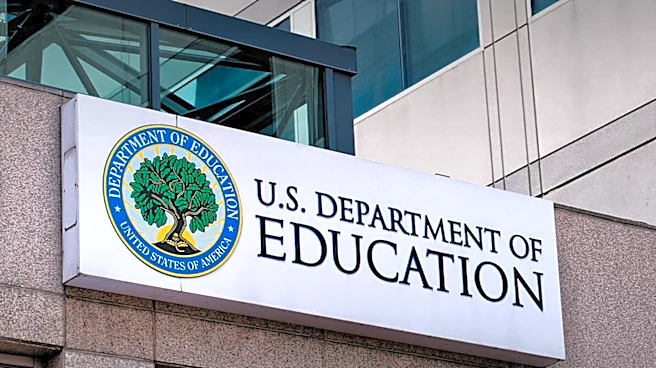
A series of bills introduced by Republicans on the House Education and the Workforce Committee seeks to make permanent the Trump administration's efforts to dismantle the U.S. Department of Education. Led by Rep. Tim Walberg, the proposed legislation
would not close the department but would transfer many of its functions to other federal agencies. This includes moving major K-12 programs to the Department of Labor and shifting some grant programs to the Department of Health and Human Services. The bills aim to codify existing interagency agreements that have already transferred 148 programs. However, the legislation faces significant hurdles in the Senate, where Democratic support is necessary.
Why It's Important?
The proposed legislation represents a significant shift in federal education policy, potentially altering how education programs are managed and funded. By transferring responsibilities to other agencies, the bills could streamline operations but also risk creating confusion and inefficiencies. Critics argue that the move could undermine the effectiveness of education programs and reduce accountability. The changes could impact millions of students and educators, affecting funding and program delivery. The debate highlights broader political divides over the role of federal government in education, with potential implications for future policy directions.
What's Next?
The bills are expected to be considered by the committee soon, with a tentative markup scheduled. However, their passage is uncertain due to the need for bipartisan support in the Senate. The outcome could influence the upcoming midterm elections, as education policy remains a contentious issue. Stakeholders, including educators and policymakers, will likely continue to debate the merits and drawbacks of the proposed changes. The administration's ongoing efforts to shift programs may also face legal and logistical challenges, impacting the implementation timeline.