



What's Happening?
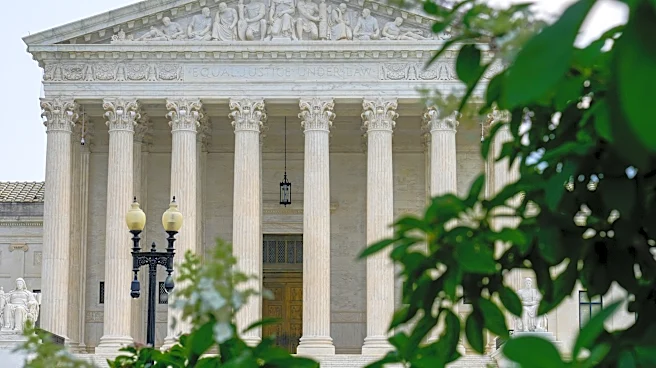
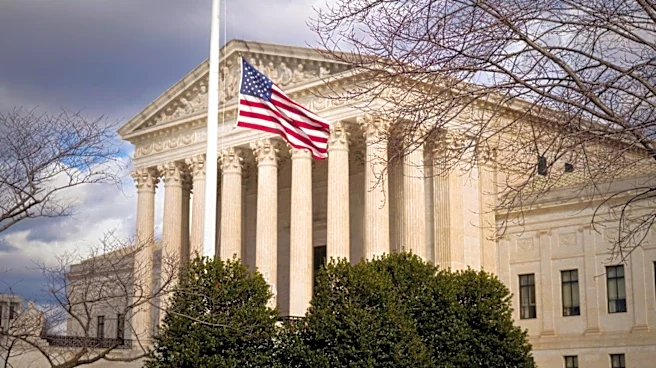
A recent legal analysis highlights the limitations of federal courts' equity jurisdiction concerning medical monitoring claims. The discussion centers on the Grupo Mexicano de Desarrollo S.A. v. Alliance Bond Fund, Inc. case, which restricts federal courts' equitable
powers to those existing in English courts of equity in 1789. This limitation affects the ability of federal courts to grant equitable relief, such as medical monitoring, to individuals without present injury. The analysis suggests that many courts view medical monitoring as an equitable remedy, often administered through court-supervised funds. However, the historical constraints on federal equity jurisdiction may preclude such remedies, raising questions about the applicability of state law in federal diversity cases.
Why It's Important?
The limitations on federal courts' equity jurisdiction have significant implications for medical monitoring claims, which are often sought by individuals exposed to harmful substances but not yet injured. The inability to obtain equitable relief in federal court could limit access to medical monitoring, potentially affecting public health outcomes. This issue underscores the tension between state and federal legal frameworks, particularly in cases involving diverse jurisdictions. The outcome of this legal debate could influence future litigation strategies and the availability of medical monitoring as a remedy, impacting both plaintiffs and defendants in product liability and environmental exposure cases.
What's Next?
The ongoing legal discourse may prompt further examination of the role of equity in federal courts, particularly concerning medical monitoring claims. Legal scholars and practitioners may explore alternative avenues for relief, such as legislative changes or state court actions. The potential for a Supreme Court ruling on this issue could provide clarity and set a precedent for future cases. Stakeholders, including legal professionals and public health advocates, will likely continue to monitor developments closely, advocating for solutions that balance equitable relief with historical legal constraints.