



What's Happening?
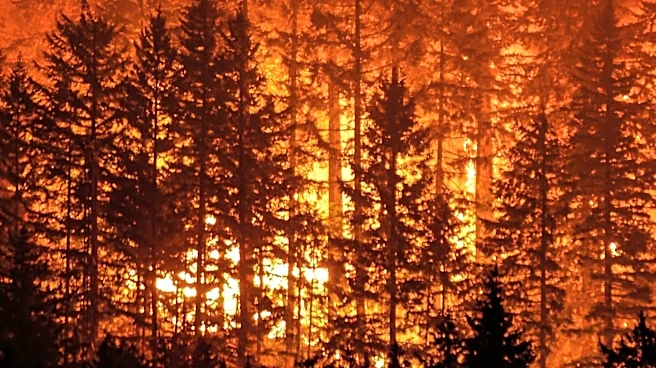
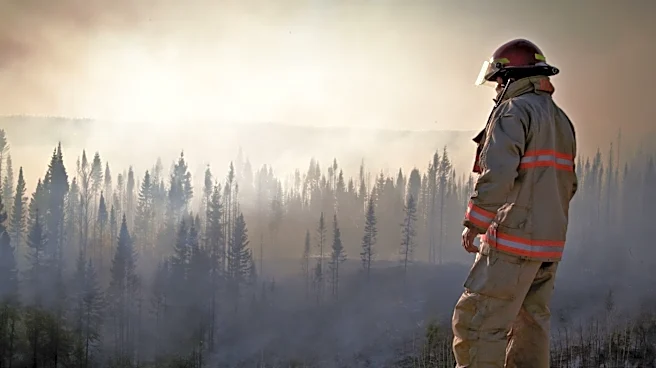
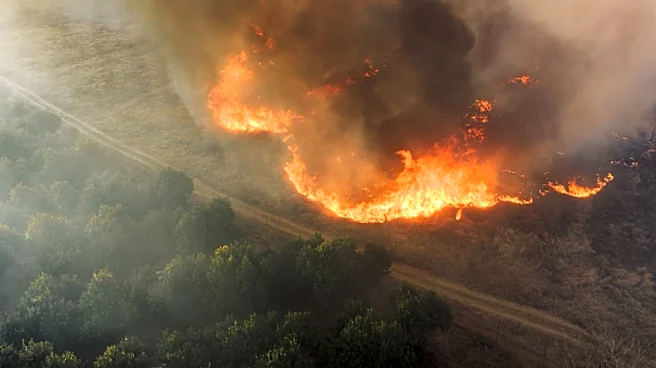
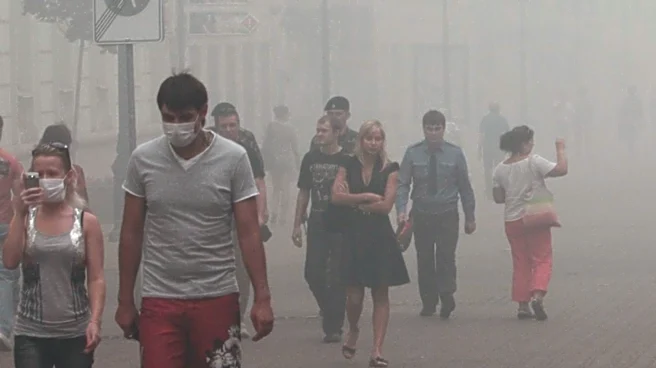
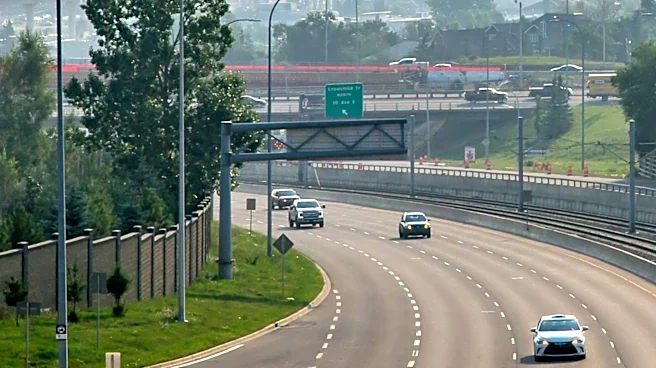
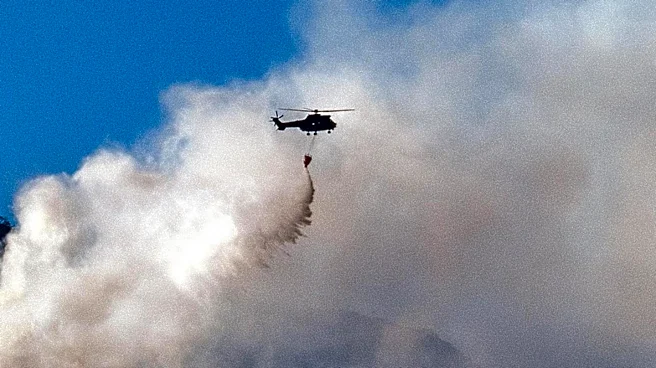
Recent extreme weather events, including Canadian wildfires and heatwaves in Europe, have underscored the urgent need for climate adaptation strategies. These events have affected millions, with smoke from wildfires impacting air quality across the U.S.
and heatwaves causing significant fatalities in Europe. The article discusses the limitations of current climate policies focused solely on emissions reduction and emphasizes the necessity of adaptation measures such as indoor air filtration and cooling plans to mitigate the immediate impacts of climate change.
Why It's Important?
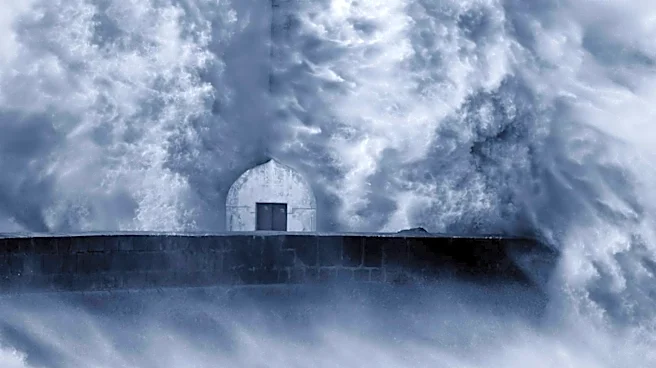
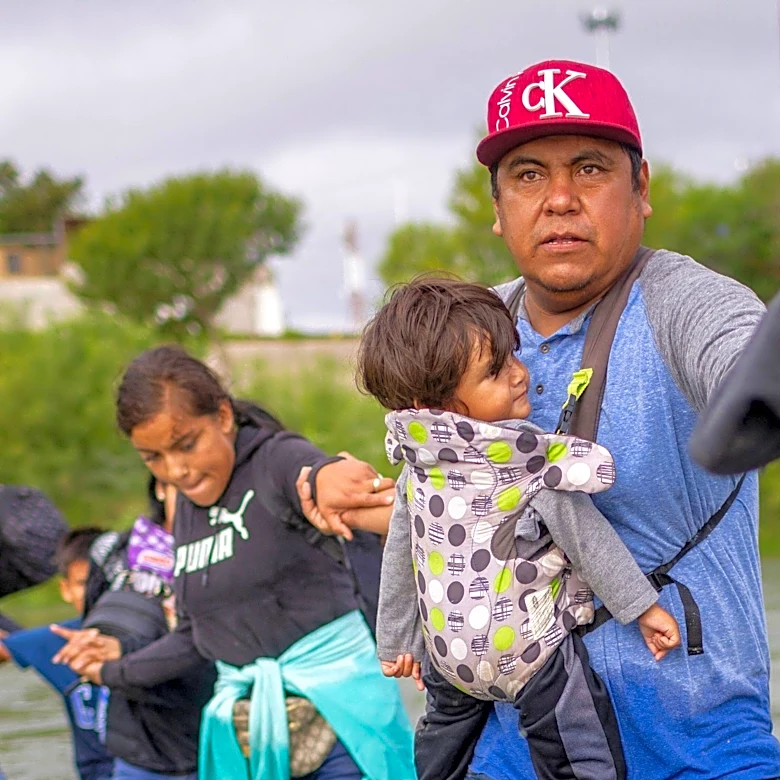
The increasing frequency and severity of climate-related disasters highlight the inadequacy of current mitigation efforts alone. Adaptation strategies are crucial for protecting vulnerable populations and infrastructure from the immediate effects of climate change. This shift in focus is essential for ensuring public health and safety, as well as for maintaining economic stability in affected regions. The discussion also points to the need for comprehensive policy changes that integrate both mitigation and adaptation to effectively address the challenges posed by climate change.
What's Next?
As climate adaptation becomes a more prominent focus, governments and organizations are likely to invest in technologies and infrastructure that enhance resilience to extreme weather events. This may include the development of more robust air quality monitoring systems, the implementation of urban cooling strategies, and the promotion of community-based adaptation initiatives. Additionally, there may be increased collaboration between countries to share best practices and resources for climate adaptation.