


What's Happening?
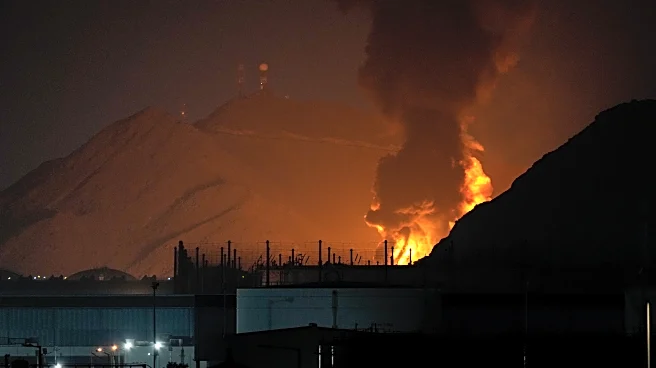
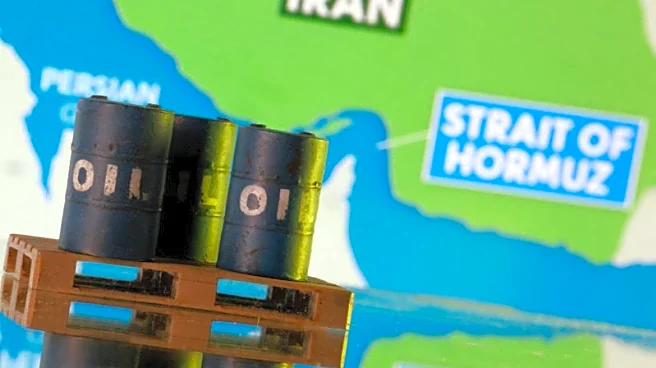
The ongoing conflict in the Middle East, particularly around the Strait of Hormuz, is causing significant disruptions to global supply chains and energy markets. The escalation has led to a sharp increase in oil prices, with Brent crude oil rising from
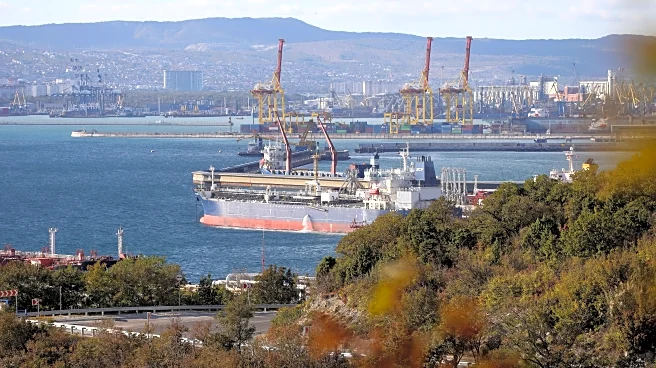
approximately $70 to $80-$85 per barrel. This surge in energy costs is affecting manufacturers, especially those in energy-intensive sectors, by increasing production costs. Additionally, shipping routes are becoming less reliable, with some carriers rerouting vessels around South Africa, adding weeks to transit times and significantly increasing shipping costs. The conflict has also led to the closure of Qatar's largest LNG plant, further straining global energy supplies.
Why It's Important?
The conflict's impact on global supply chains and energy prices is profound, affecting various industries, including automotive and manufacturing. The increase in oil prices directly raises production costs, which can lead to higher consumer prices and reduced economic growth. The disruption of shipping routes through the Strait of Hormuz, a critical chokepoint for global oil and gas exports, highlights the vulnerability of global trade to geopolitical tensions. Manufacturers are under pressure to adapt by diversifying suppliers and building more resilient supply chains. The situation underscores the need for businesses to be agile and proactive in risk management to mitigate the effects of such geopolitical disruptions.
What's Next?
As the conflict continues, businesses and governments will need to monitor developments closely and prepare for potential long-term disruptions. Manufacturers may need to explore alternative shipping routes and strengthen partnerships with suppliers to ensure supply chain resilience. Governments might consider strategic reserves and alternative energy sources to mitigate the impact of rising energy prices. The situation also calls for international diplomatic efforts to stabilize the region and prevent further escalation, which could have even more severe consequences for global trade and energy markets.