
What's Happening?
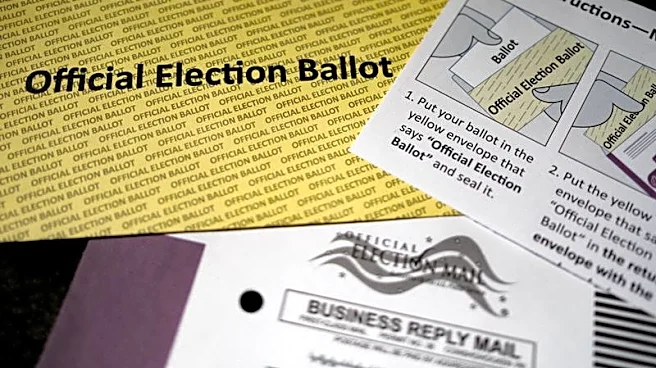
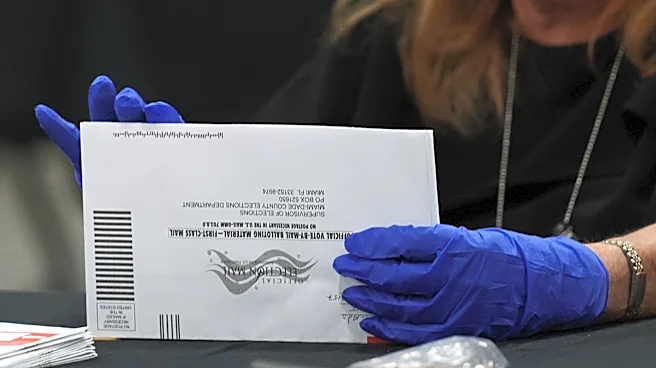
Maryland election officials are moving forward with preparations for mail-in voting despite a new federal rule introduced by the Trump administration. This rule, issued in March, mandates an additional
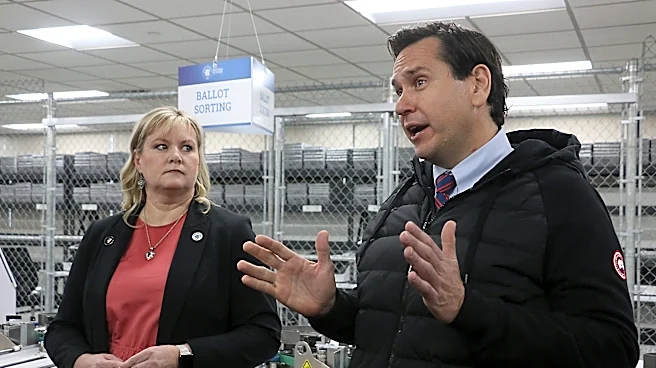
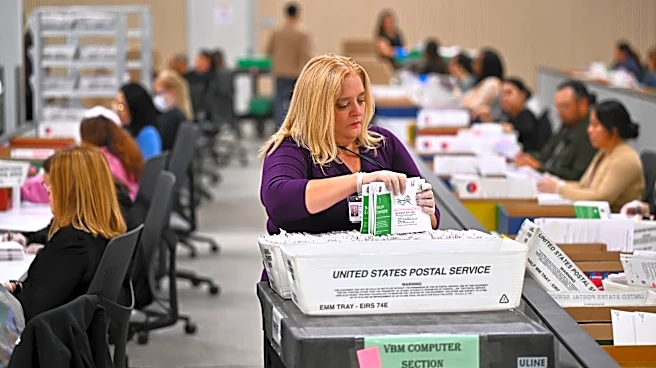
verification step for mail-in ballots. It requires the U.S. Postal Service to only send ballots to states that provide lists of eligible voters, which would then be cross-checked through a new federal database. Maryland State Election Administrator Jared DeMarinis stated that the state is preparing to print over 600,000 mail-in ballots after Labor Day, with a deadline to send them out by September 17. DeMarinis expressed concerns about the rule's potential future implications, particularly for the 2028 election, and emphasized that the Postal Service's mission is to deliver mail, not verify citizenship. Maryland has joined more than two dozen Democratic-led states in filing a lawsuit against this rule, arguing it violates the Constitution and federal statutes.
Why It's Important?
This development is significant for U.S. election integrity and voter access. The federal rule introduces a new layer of verification that could potentially complicate mail-in voting processes, which have become increasingly common. Critics, including Maryland State Election Administrator Jared DeMarinis, fear that this additional step could have a 'chilling impact on voters and turnout,' potentially disenfranchising eligible citizens. The lawsuit filed by Maryland and other states highlights a broader legal and constitutional debate over federal versus state control of election procedures. If the rule is upheld and implemented, it could set a precedent for federal involvement in voter verification, shifting responsibilities traditionally managed by state and local entities. This could lead to increased administrative burdens for states and potential delays in ballot distribution, affecting millions of voters nationwide.
What's Next?
Maryland will continue with its mail-in voting preparations for the upcoming November midterms, as State Election Administrator Jared DeMarinis does not anticipate immediate impacts for this election cycle. However, he plans to collaborate with the General Assembly to address potential changes before the 2028 election to ensure Maryland voters are not disenfranchised. The lawsuit filed by Maryland and other Democratic-led states against the federal rule will proceed, challenging its legality and constitutionality. The Supreme Court has previously ruled that states cannot block the order but has not yet decided on its overall legality. The effectiveness and implications of the new federal database and verification portal remain uncertain, as they are currently untested. The outcome of the lawsuit and any subsequent legal challenges will determine the long-term impact of this federal rule on mail-in voting procedures across the U.S.
Beyond the Headlines
The controversy surrounding the federal mail-in voting rule extends beyond immediate election logistics, touching upon fundamental questions of federalism and the balance of power in election administration. Traditionally, voter eligibility verification has been a state and local responsibility, and the introduction of a federal database and Postal Service involvement represents a significant shift. This move raises concerns about potential politicization of a non-partisan agency and the creation of a centralized system that could be vulnerable to manipulation or technical issues. The debate also highlights differing philosophies on voter access versus election security, with critics arguing that the rule prioritizes an untested verification process over ensuring broad participation. The legal challenges will likely explore the constitutional limits of federal authority in overseeing state election processes, potentially reshaping the landscape of U.S. elections for decades to come.