






What's Happening?
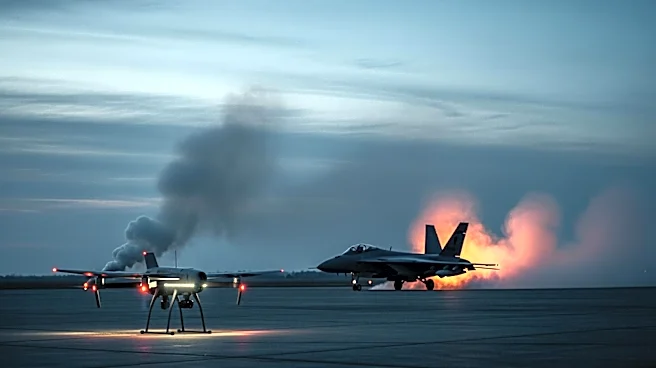
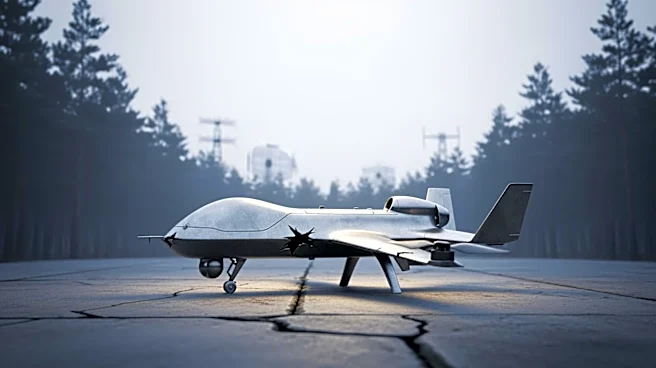
Russia's territorial gains in Ukraine have significantly decreased, with only 14 square kilometers captured in May, marking the smallest monthly gain in years. This reduction is attributed to Ukraine's enhanced drone capabilities and Russia's communication
challenges following the loss of access to Starlink satellite terminals. The Ukrainian mapping project DeepState and other sources report that Ukraine has begun reclaiming territory for the first time since 2023. Despite the reduced gains, Russia continues its offensive, focusing on small-group infiltration tactics rather than large-scale mechanized assaults. The Institute for the Study of War (ISW) notes that Russia's advances have slowed considerably in 2026 compared to previous years.
Why It's Important?
The shift in territorial control highlights the evolving dynamics of the conflict, with Ukraine leveraging technological advancements to counter Russian offensives. The reduced land gains for Russia could impact its strategic objectives and military morale. Ukraine's ability to reclaim territory may strengthen its position in potential future negotiations. The ongoing conflict continues to strain Russian resources, with recruitment challenges exacerbating the situation. The international community is closely monitoring these developments, as they could influence geopolitical stability and future diplomatic efforts in the region.
What's Next?
Ukraine aims to capitalize on its current momentum to further reclaim territory and potentially strengthen its negotiating position. The Ukrainian military's focus on draining Russian manpower faster than it can be replenished could lead to further strategic shifts. Meanwhile, Russia may need to adapt its tactics and address its recruitment and communication challenges to maintain its offensive capabilities. The situation remains fluid, with potential implications for future peace talks and regional stability.