







What's Happening?
Somalia's stability is crucial for the security of the Horn of Africa and the broader Arab world. The country's geographical position as a maritime heart and eastern gateway connects Africa to the Indian Ocean and the Arab world. Disruptions in Somalia have
regional repercussions, affecting border security, trade, and community stability in neighboring countries like Ethiopia, Kenya, Djibouti, and Eritrea. The collapse of the Somali state in the past led to the rise of extremist groups, smuggling networks, and increased migration, impacting regional security. Somalia's unity is not just a national issue but a strategic interest for the entire region.
Why It's Important?
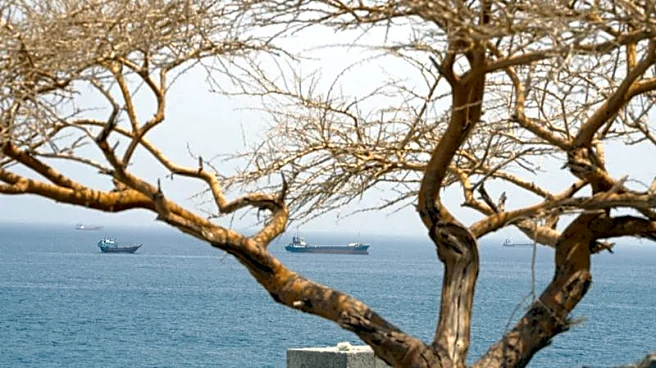
Somalia's unity and stability are vital for maintaining regional security and economic interests. The country's location makes it a key player in Red Sea security and a natural extension of the Arab world's strategic depth. A stable Somalia can help prevent the spread of organized crime and extremism, which have historically emerged from its instability. The region's security dynamics are further complicated by international competition and threats to commercial navigation, making Somalia an indispensable partner in protecting vital maritime passages.
Beyond the Headlines
The geopolitical significance of Somalia extends beyond its borders, influencing global trade and energy security. The Red Sea, a critical maritime route, is affected by Somalia's stability, with disruptions potentially impacting global supply chains. The historical legacy of colonial partition has left Somalia with fragmented territories, complicating its national identity and border disputes. Preserving Somalia's unity is essential for safeguarding the geopolitical balance in one of the world's most sensitive regions, highlighting the interconnectedness of African and Arab security interests.