







What's Happening?
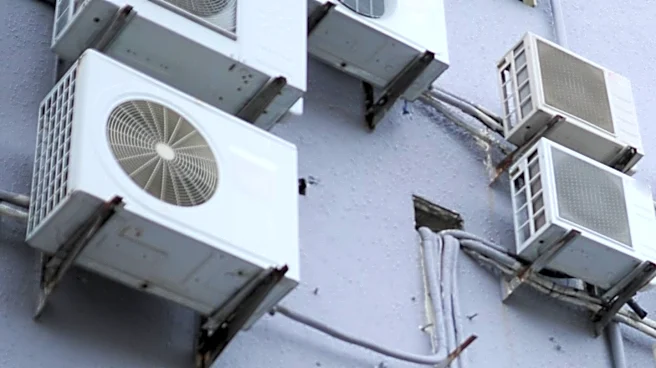
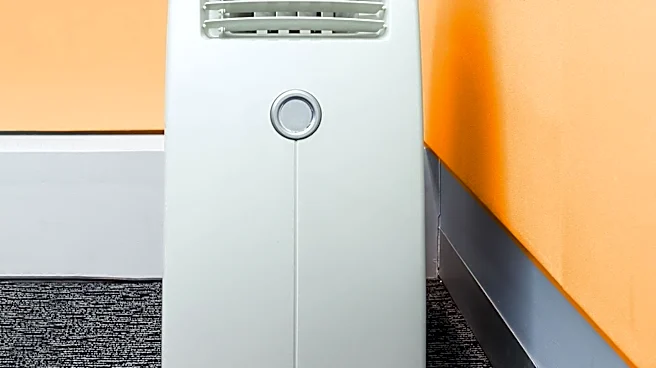
Daikin Comfort Technologies Manufacturing has issued a recall for 13,514 Amana air conditioning units and heating pumps due to a potential fire and burn hazard. The recall, announced on June 25, 2026, affects units whose heating elements can remain energized
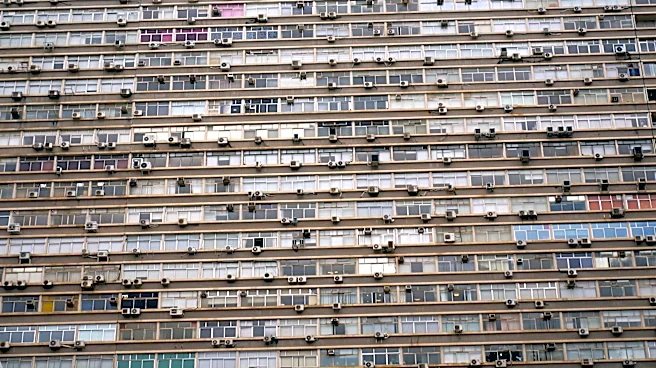
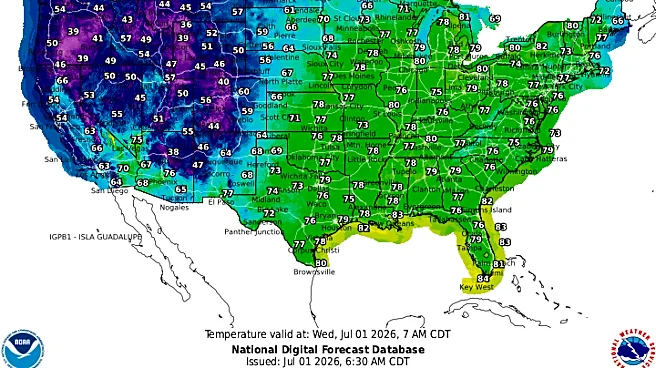
even when turned off, posing a risk of fire or burns. This recall comes as a significant heatwave is expected to affect two-thirds of the U.S. population over the Fourth of July weekend. Although no injuries have been reported, there has been one incident of a unit's plastic melting. The affected units are primarily used in apartment buildings, commercial spaces, and hotels, and were sold nationwide between April and December 2025.
Why It's Important?
The recall is critical as it coincides with a major heatwave, potentially leaving many without air conditioning during extreme temperatures. This situation underscores the importance of product safety and timely recalls to prevent accidents and ensure consumer safety. The recall also highlights the challenges faced by manufacturers in maintaining product safety standards, especially during peak demand periods. For consumers, the recall means they must find alternative cooling solutions, which could lead to increased demand for other cooling products and services. The incident may also impact Daikin's reputation and financial performance, as recalls can lead to significant costs and loss of consumer trust.
What's Next?
Consumers affected by the recall are advised to stop using the recalled units immediately and contact Daikin for a full refund. They will need to provide a photo of the unit's power cord after it has been cut, along with the unit's serial number. As the heatwave continues, there may be increased scrutiny on other air conditioning manufacturers to ensure their products meet safety standards. Additionally, Daikin may face regulatory reviews and potential legal actions if further incidents occur. The company will likely need to implement measures to prevent similar issues in the future, which could involve design changes or enhanced quality control processes.