



What's Happening?
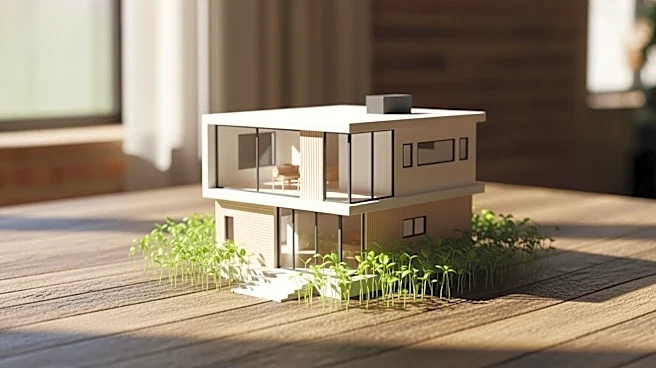
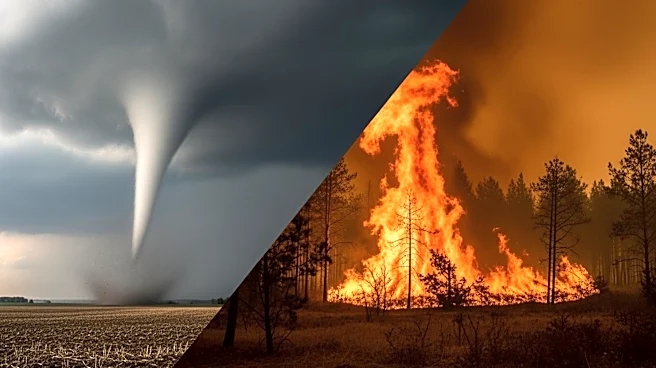
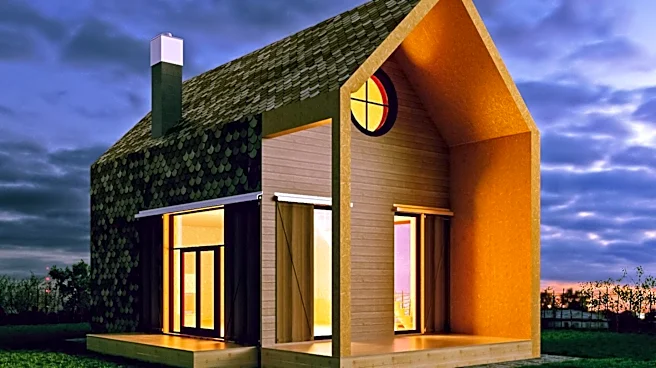
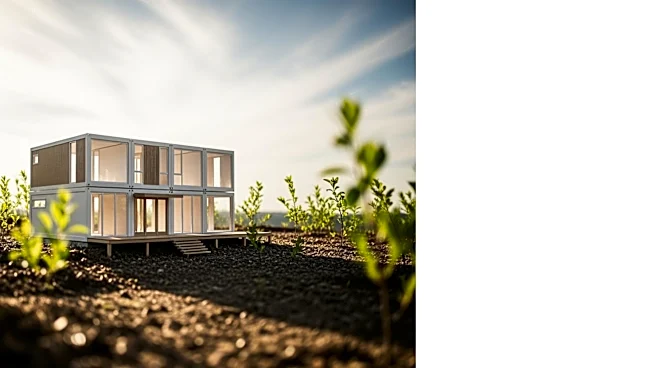
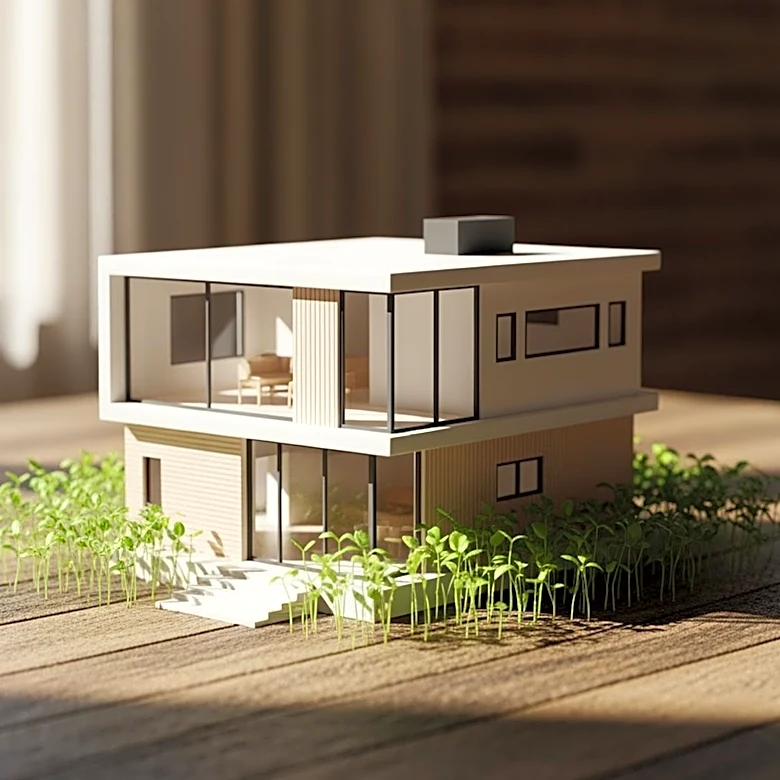
In response to increasing climate risks, prefabricated homes are becoming a popular choice for rebuilding in disaster-prone areas across the United States. Companies like MDLR Brands are leading the charge by offering prefabricated homes that are designed
to withstand extreme weather conditions such as hurricanes, wildfires, and earthquakes. These homes are constructed using fire-resistant and weather-resistant materials, providing a safer and often more affordable alternative to traditional stick-built homes. The trend is driven by the need for more resilient housing solutions as climate change continues to fuel natural disasters. Prefabricated homes are also gaining traction due to their cost-effectiveness, with prices often lower than traditional construction methods.
Why It's Important?
The shift towards prefabricated homes represents a significant change in the housing industry, particularly in regions frequently affected by natural disasters. This trend not only addresses the immediate need for safer housing but also reflects a broader movement towards sustainable and resilient building practices. As climate change continues to pose challenges, the demand for innovative housing solutions is likely to grow. Prefabricated homes offer a viable option for homeowners seeking to rebuild with greater peace of mind, potentially reducing the economic and emotional toll of future disasters. Additionally, the adoption of prefabricated homes could influence building codes and standards, encouraging more widespread use of resilient materials and construction techniques.
What's Next?
As the popularity of prefabricated homes increases, more companies are expected to enter the market, offering a wider range of designs and customization options. This could lead to further innovation in materials and construction methods, enhancing the resilience and sustainability of these homes. Local governments and policymakers may also play a role in promoting prefabricated homes by providing incentives or updating building codes to support their use. The continued impact of climate change will likely drive ongoing demand for resilient housing solutions, making prefabricated homes a key component of future disaster recovery efforts.