






What's Happening?
The Famine Early Warning Systems Network (FEWS NET) has issued a warning that Mozambique's upcoming 2026/2027 agricultural season could face significant pressure from above-average temperatures and rainfall deficits. This forecast, detailed in FEWS NET's
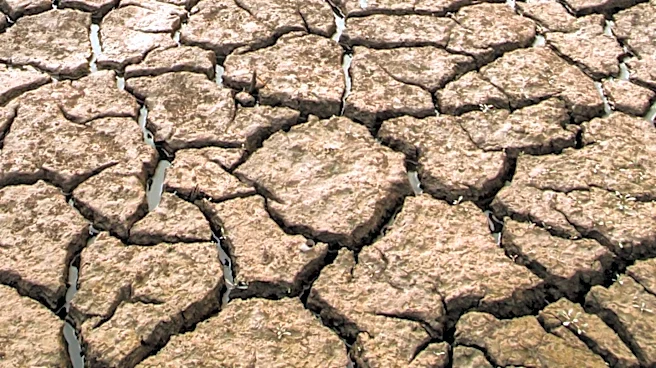
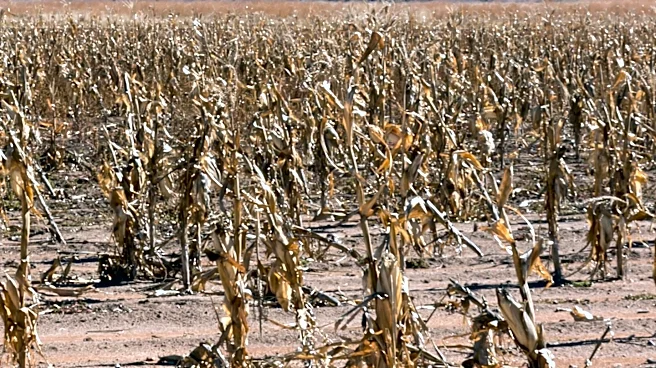
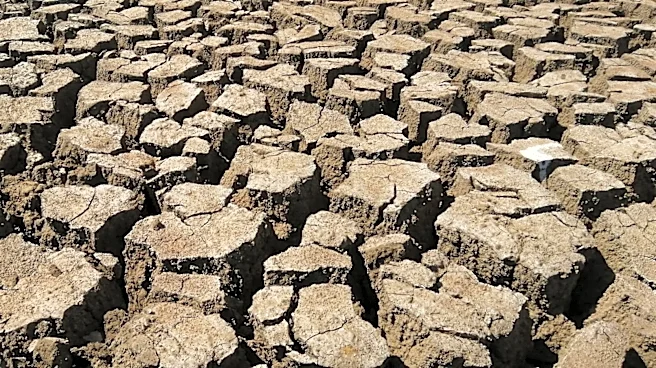
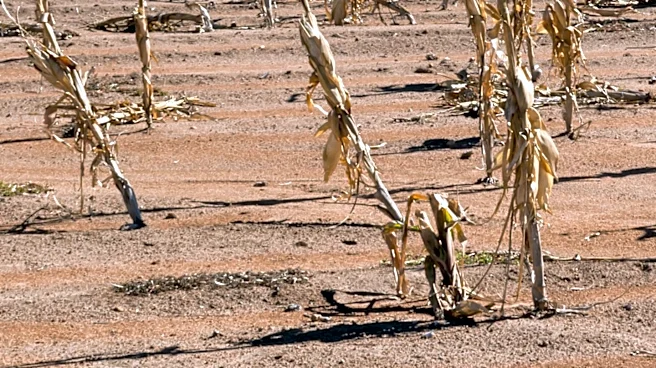
latest monitoring report, indicates that these conditions, influenced by the El Niño climate phenomenon, will increase evapotranspiration and crop water requirements across much of southern Africa. Mozambican authorities have already reported heatwaves exceeding 40 degrees Celsius in the country's south. These environmental factors are expected to exacerbate the impact of delayed rainy seasons and prolonged dry spells, posing risks to agricultural production. While southern Mozambique currently shows above-average vegetation conditions due to good rainfall in the 2025-2026 season, the central and northern regions present a less favorable outlook, with potential deterioration if below-normal rainfall materializes. FEWS NET, an international early warning network funded by the United States, specializes in monitoring climate conditions and food insecurity risks in vulnerable countries.
Why It's Important?
This warning from FEWS NET is crucial for understanding potential food security challenges in Mozambique and the broader southern African region. The anticipated agricultural stress could lead to reduced crop yields, impacting local food supplies and potentially increasing food prices. For the United States, which funds FEWS NET, these developments highlight the ongoing need for humanitarian aid and food security initiatives in vulnerable nations. Reduced agricultural output can destabilize local economies, increase poverty, and potentially lead to greater reliance on international assistance. The report also underscores the far-reaching effects of climate phenomena like El Niño on global food systems, emphasizing the interconnectedness of climate patterns and human well-being. Stakeholders, including international aid organizations and governments, will need to monitor these conditions closely to mitigate potential humanitarian crises and ensure food access for affected populations.
What's Next?
In response to the FEWS NET report, Mozambican authorities and international aid organizations will likely intensify monitoring of climate conditions and agricultural developments. The report suggests that between 1.5 million and 1.99 million Mozambicans could require urgent food assistance by April 2027, despite good harvests in 2026. This projection indicates a need for proactive planning and resource allocation to prevent widespread food insecurity. Humanitarian efforts may focus on pre-positioning food aid and implementing resilience-building programs for farmers. Furthermore, the strengthening El Niño phenomenon, expected to persist into early 2027, will require continuous assessment of its evolving impacts on rainfall patterns and temperatures. Governments and aid agencies will need to coordinate responses to address potential food deficits and support affected communities throughout the agricultural season.
Beyond the Headlines
The situation in Mozambique reflects a broader global challenge where climate change and extreme weather events disproportionately affect vulnerable populations. The reliance on early warning systems like FEWS NET highlights the critical role of data and scientific forecasting in humanitarian response. Beyond immediate food aid, the long-term implications point to the need for sustainable agricultural practices, climate-resilient infrastructure, and diversified livelihoods to reduce vulnerability to climate shocks. The potential for increased food insecurity also raises questions about internal displacement and migration as communities seek more stable environments. This scenario underscores the ethical imperative for developed nations to support climate adaptation efforts in developing countries, recognizing that climate impacts transcend national borders and have global humanitarian and economic consequences.