


What's Happening?
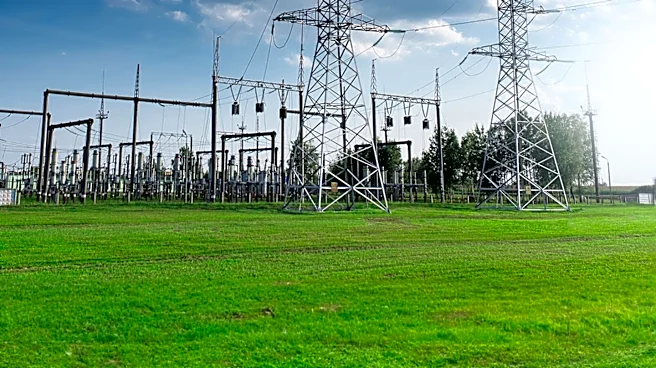
South Dakota is undergoing a significant transformation in its energy infrastructure, as outlined in recent utility planning reports submitted to the South Dakota Public Utilities Commission. These reports detail over $1 billion in planned generation
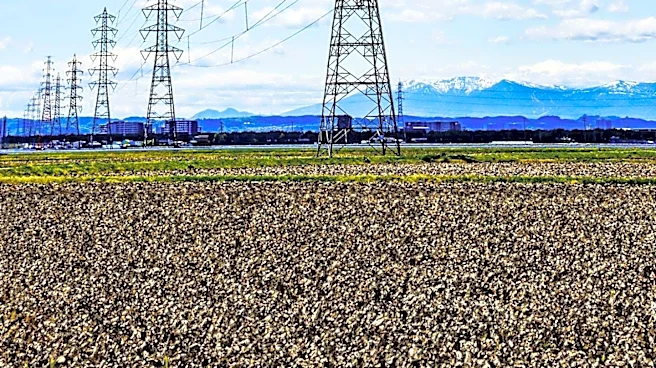
projects, including utility-scale battery storage, new substations, and major transmission expansions. Proposed projects include new natural-gas plants near Aberdeen, Rapid City, and Toronto, as well as a large battery project in Codington County. The state is also seeing the development of high-voltage transmission lines designed to transport electricity across the Upper Midwest. This expansion is driven by the anticipated demand from industrial customers, such as data centers, which require substantial electricity. The reports suggest that South Dakota is preparing to accommodate these large-scale energy consumers, indicating a strategic shift in the state's energy landscape.
Why It's Important?
The expansion of South Dakota's energy infrastructure is crucial for the state's economic development. By investing in new generation projects and transmission lines, South Dakota is positioning itself to attract industrial customers that require significant energy resources. This could lead to increased construction jobs, permanent employment opportunities, and enhanced tax revenue. However, the expansion also raises questions about the environmental impact and the protection of private property and natural habitats. The state's ability to balance economic growth with environmental and community considerations will be critical in shaping its future energy strategy.
What's Next?
As South Dakota continues to develop its energy infrastructure, the state will need to address several key issues. These include determining who will bear the costs of the new infrastructure, how local communities will benefit, and how to protect private property and natural resources. The South Dakota Public Utilities Commission will play a vital role in approving permits, setting rates, and making ownership decisions. Stakeholders, including local communities, environmental groups, and industry leaders, will likely engage in discussions to ensure that the state's energy expansion aligns with broader economic and environmental goals.