




What's Happening?
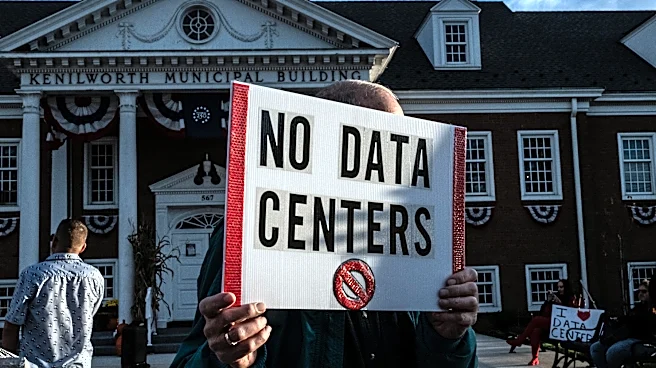
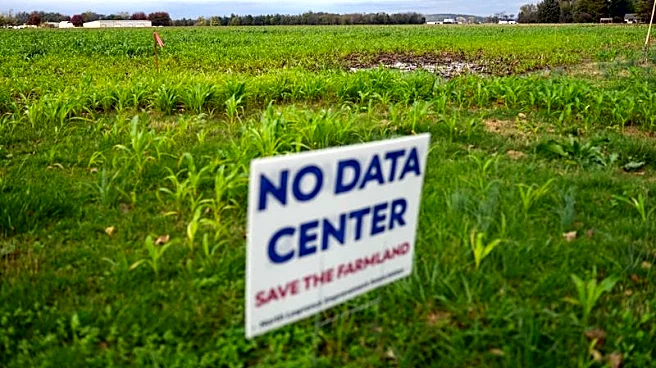
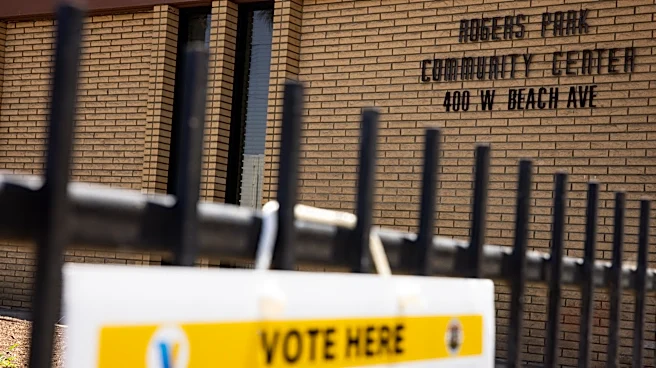
In a recent advisory referendum, voters in Joliet overwhelmingly rejected a proposal concerning the construction of data centers intended to power artificial intelligence technology. Nearly 80% of voters opposed the measure, according to unofficial results
from the Will County Clerk’s Office. This referendum was one of several ballot questions across the Chicago area, including measures on mayoral recalls and term limits. The clear rejection by Joliet voters indicates a strong community sentiment against the development of AI data centers within the city, at least under the terms presented in the advisory question.
Why It's Important?
The decisive rejection of AI data center construction in Joliet is significant as it reflects local community concerns regarding technological development and its potential impact. Such a strong 'no' vote in an advisory referendum sends a clear message to the Joliet City Council about public sentiment. This outcome could influence future city planning and economic development strategies, potentially deterring companies looking to build data centers in the area. It highlights a growing public discourse around the implications of AI infrastructure, including potential concerns about energy consumption, environmental impact, noise, or other community disruptions that data centers might bring.
What's Next?
Given the overwhelming rejection in the advisory referendum, it is highly probable that the Joliet City Council will take this public sentiment into account when making any future decisions regarding data center proposals. It is unlikely that the city will move forward with approving such constructions in the near future without significant changes to proposals or further public engagement to address voter concerns. Companies interested in developing AI data centers in Joliet may need to reconsider their plans or engage in extensive community outreach to understand and mitigate the issues that led to this strong opposition. The outcome could also encourage other communities to hold similar referendums on technology infrastructure projects.
Beyond the Headlines
The Joliet vote against AI data centers taps into a broader, evolving conversation about the societal and environmental impacts of rapidly advancing technology. While AI offers numerous benefits, the infrastructure required to support it, such as large-scale data centers, can be resource-intensive, particularly in terms of energy and water consumption. This vote suggests that communities are becoming more aware of these potential drawbacks and are willing to push back against developments they perceive as detrimental to their local environment or quality of life. It underscores the tension between technological progress and local community interests, highlighting the need for transparent discussions and sustainable development practices in the tech industry.