




What's Happening?
The Federal Emergency Management Agency (FEMA) has approved an amendment that releases $984,776 in Fiscal Year 2023 Emergency Management Performance Grant funds to the Guam Homeland Security/Office of Civil Defense (GHS/OCD). This approval allows GHS/OCD to submit
eligible expenditures for reimbursement, marking a significant step in easing heightened federal oversight measures on local emergency management grants. The offices of GHS/OCD had previously faced grant restrictions due to millions in federal spending being flagged in audits, and current and former employees are subject to criminal prosecution from the Office of the Attorney General. According to Governor Lou Leon Guerrero, the release of these funds reflects the steady progress made by the GHS/OCD team in meeting federal documentation and financial tracking standards. The decision follows ongoing coordination between GHS/OCD and FEMA Region 9, including a recent federal monitoring review that acknowledged improvements in local payroll accounting and compliance controls.
Why It's Important?
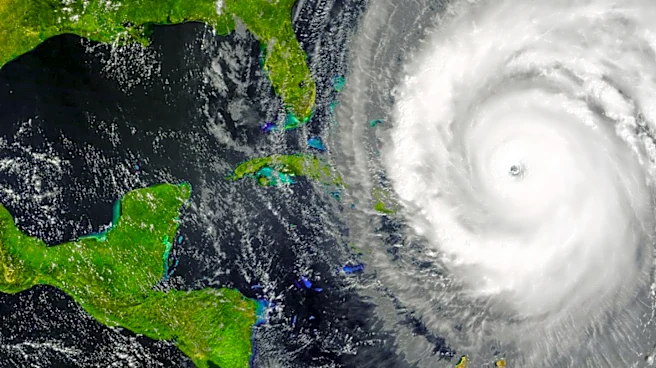
The release of nearly $1 million in grant funding is critically important for Guam's emergency preparedness and response capabilities. These funds directly support the island's ongoing operational readiness, which is essential given its vulnerability to natural disasters like typhoons. The lifting of the restrictive drawdown hold signifies a positive shift in the relationship between FEMA and GHS/OCD, indicating that Guam has made strides in addressing past financial and compliance issues. This development is vital for public trust and ensures that federal aid can flow more smoothly to the territory when needed. For U.S. taxpayers, it represents a step towards more accountable and efficient use of federal funds in disaster management. The continued ability of GHS/OCD to access and manage these grants is paramount for the safety and security of Guam's residents, allowing them to invest in necessary infrastructure, training, and resources to mitigate the impact of future emergencies.
What's Next?
With the amendment finalized, GHS/OCD can now claim reimbursements for eligible operational costs incurred under the FY 2023 grant guidelines. The agency will continue to work alongside federal partners to complete remaining compliance reviews and restore standard drawdown procedures for additional grant awards. This suggests a phased approach to fully restoring federal confidence and oversight. Governor Lou Leon Guerrero's statement indicates a commitment to maintaining improved financial tracking and documentation standards. Future steps will likely involve continued monitoring by FEMA Region 9 to ensure sustained compliance and to prevent a recurrence of the issues that led to the initial grant restrictions. The successful management of these funds will be crucial for GHS/OCD to regain full autonomy in managing federal emergency management grants and to ensure the long-term resilience of Guam.
Beyond the Headlines
The situation in Guam highlights a broader challenge faced by many U.S. territories and states: balancing the urgent need for disaster preparedness funding with stringent federal oversight and accountability requirements. The criminal prosecution of current and former GHS/OCD employees underscores the serious consequences of financial mismanagement in public service, particularly when it involves funds critical for public safety. This event could serve as a case study for other regions on the importance of robust internal controls and transparent financial practices in managing federal grants. Ethically, it emphasizes the responsibility of government agencies to be stewards of public funds, especially those designated for emergency response. Culturally, for a community like Guam that frequently faces natural disasters, the efficient and ethical use of these funds is not just a bureaucratic matter but a fundamental aspect of community resilience and trust in government institutions. The long-term implication is a potential shift towards more rigorous federal monitoring and support for local agencies to build capacity in financial management alongside emergency response capabilities.