









What's Happening?
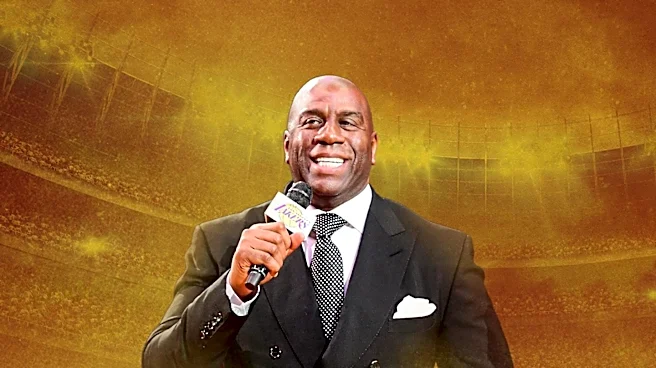
Earvin 'Magic' Johnson, the former Los Angeles Lakers star, is commemorating 35 years since his public announcement of an HIV diagnosis. On November 7, Johnson shared a personal message on X, expressing gratitude for his continued health and reflecting
on the support he received from loved ones. His post emphasized faith and the fact that he is thriving decades after a diagnosis that was often associated with an early death. Johnson's 1991 announcement, made at a press conference where he also retired from the Lakers, significantly challenged public perceptions of HIV. At the time, understanding of the virus was limited, and it was often wrongly viewed as confined to specific demographics. Johnson's disclosure brought national attention to the reality that HIV could affect heterosexual individuals, broadening the public discourse around the virus. Following his diagnosis, Johnson established the Magic Johnson Foundation in November 1991, initially focusing on HIV and AIDS awareness, education, research, and community assistance.
Why It's Important?
Magic Johnson's journey over the past 35 years holds significant importance in the ongoing fight against HIV stigma and misinformation in the U.S. His public disclosure in 1991 was a pivotal moment, as it forced a national conversation about HIV that transcended previous societal biases. By openly sharing his diagnosis, Johnson helped to demystify the virus and demonstrate that it could affect anyone, regardless of their background. This visibility was crucial in shifting public perception and encouraging more open dialogue about prevention and treatment. His continued advocacy through the Magic Johnson Foundation has provided vital resources and education to affected communities, contributing to a more informed public. Johnson's sustained health and active life serve as a powerful testament to advancements in HIV treatment and the importance of early diagnosis and ongoing care, offering hope and challenging outdated narratives about the disease.
What's Next?
Magic Johnson's continued public presence and advocacy suggest that he will remain a prominent figure in HIV awareness and education. His recent reflection on the 35-year mark of his diagnosis reinforces the ongoing need for conversations about HIV without stigma or misinformation. Future efforts may involve continued work through the Magic Johnson Foundation, which could expand its initiatives to address evolving challenges in public health, including access to care and the latest treatment advancements. As medical science progresses, Johnson's platform can help disseminate accurate information about new therapies and prevention strategies, such as PrEP. His story will likely continue to inspire individuals living with HIV and encourage broader societal acceptance and understanding, potentially influencing public health campaigns and policy discussions aimed at eradicating the virus and supporting those affected.
Beyond the Headlines
Beyond the immediate impact of his health journey, Magic Johnson's experience with HIV has had profound ethical and cultural implications in the U.S. His decision to go public with his diagnosis in 1991 was a courageous act that challenged deeply ingrained societal prejudices and fears surrounding HIV/AIDS. Ethically, it underscored the importance of transparency and advocacy in public health crises, pushing for greater empathy and less judgment towards those affected. Culturally, Johnson's announcement helped to normalize discussions about sexual health and disease, contributing to a gradual shift away from the silence and shame that often accompanied HIV diagnoses. His story also highlighted disparities in healthcare access and education, prompting calls for more equitable public health initiatives. Over the long term, Johnson's enduring visibility has contributed to a more compassionate and informed public discourse around chronic illnesses, demonstrating the power of individual narratives to drive significant social change.