



What's Happening?
Puerto Rico celebrates Labor Day, known as "Día del Trabajador" or "Día del Empleado," annually on May 1st. This observance differs from the U.S. mainland, which marks Labor Day on the first Monday of September. The tradition in Puerto Rico dates back
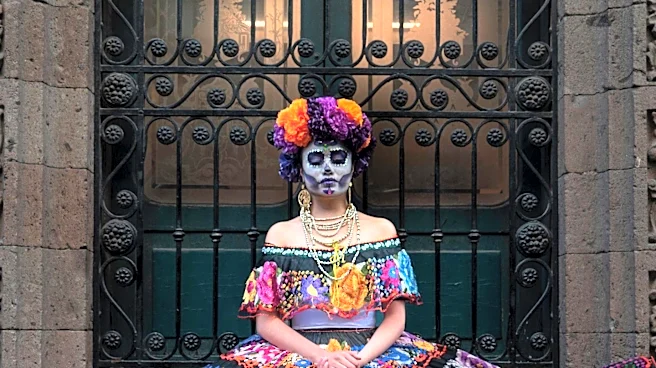
to the late 19th century when the Spanish government, during its colonial rule, established a national holiday to honor workers' struggles and triumphs in 1886. After Puerto Rico became a U.S. territory and its residents gained U.S. citizenship in 1917, the island adopted some American traditions, but May 1st remained the designated day to recognize the contributions of its laborers, particularly in agriculture, manufacturing, and service sectors. Celebrations on the island include street parades, processions with music and dance performances, cultural exhibitions, and traditional food and drinks, reflecting Puerto Rico's diverse cultural heritage.
Why It's Important?
The distinct observance of Labor Day in Puerto Rico highlights the island's unique cultural identity and historical trajectory, which blends Spanish colonial influences with American presence. While sharing a federal relationship with the U.S., Puerto Rico maintains its own traditions, underscoring the island's autonomy in cultural practices. This difference can impact scheduling and public awareness for businesses and individuals operating across the U.S. and Puerto Rico, requiring an understanding of two separate holiday calendars. The May 1st celebration also serves as a significant cultural event, reinforcing community bonds and providing a platform to showcase Puerto Rican heritage through music, dance, and local cuisine. It emphasizes the island's resilience and solidarity, celebrating workers' rights within a uniquely Puerto Rican context.
What's Next?
The tradition of celebrating Labor Day on May 1st in Puerto Rico is deeply ingrained and is expected to continue as a significant cultural and public holiday. This consistent observance will likely continue to differentiate Puerto Rico's holiday calendar from the U.S. mainland, influencing travel, business operations, and public services. Future celebrations will probably maintain the current customs, including parades, cultural performances, and community gatherings, reinforcing the island's unique heritage. For businesses and organizations with operations in both the U.S. and Puerto Rico, continued awareness and adaptation to these differing holiday schedules will be necessary for planning and coordination. The day will remain a focal point for discussions on workers' rights and cultural identity within the territory.
Beyond the Headlines
The divergence in Labor Day observance between Puerto Rico and the U.S. mainland reflects broader themes of cultural preservation and identity within a complex political relationship. While Puerto Rico is a U.S. territory, its distinct holiday traditions, like the May 1st Labor Day, underscore a desire to maintain its unique heritage separate from full assimilation. This cultural autonomy can be seen as a form of soft power, allowing the island to assert its identity despite its political status. It also highlights the varied historical influences that have shaped different regions under the U.S. flag. The celebration on May 1st, internationally recognized as International Workers' Day, also subtly aligns Puerto Rico with a global labor movement tradition, rather than solely the American one, adding another layer to its cultural and historical narrative.