




What's Happening?
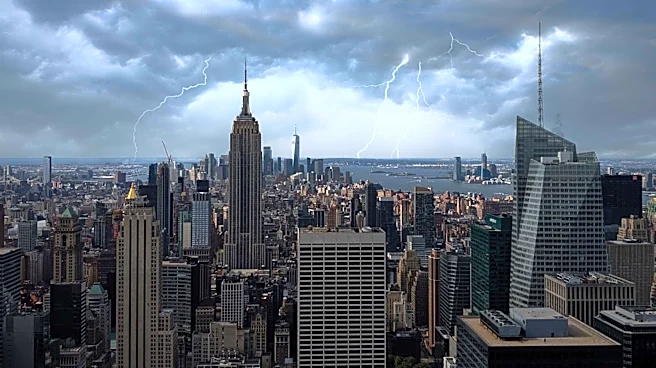
The New York City Health Department has updated the list of buildings in Manhattan's Upper East Side that tested positive for live Legionella bacteria, which is causing a Legionnaires' disease outbreak. The list now includes more than a dozen additional
buildings, bringing the total to 50. The outbreak has resulted in five deaths, with seven individuals still hospitalized. The health department had previously released a preliminary list of 33 buildings with cooling towers that tested positive for the bacteria. While the source of the Legionella exposure in the current cluster has not been definitively identified, officials are confident that the source has been eliminated, as no new cases have been reported since July 15.
Why It's Important?
The outbreak of Legionnaires' disease in Manhattan highlights the importance of public health monitoring and response to prevent the spread of infectious diseases. Legionnaires' disease is a severe form of pneumonia caused by Legionella bacteria, which can thrive in cooling towers and other water systems. The outbreak has led to multiple fatalities and hospitalizations, underscoring the need for effective remediation and ongoing surveillance to protect public health. The situation also raises concerns about the maintenance and regulation of building water systems, which are critical in preventing such outbreaks.
What's Next?
The Health Department will continue to update the list of impacted addresses as new test results are reported. It may take weeks to determine which cooling tower or towers were responsible for the outbreak. Meanwhile, the department has ensured that all cooling towers that tested positive for the bacteria have been fully cleaned. Public health officials will maintain vigilance to prevent further cases and ensure the safety of residents in the affected areas.