







What's Happening?
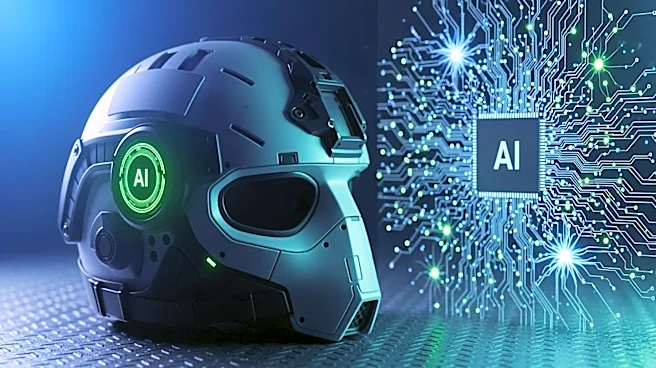
The U.S. Army is rapidly integrating artificial intelligence and digital tools into its operations, a move spearheaded by former Chief Information Officer Leonel Garciga. Despite the swift rollout of these technologies, Garciga highlights that the primary
challenge lies not in the technology itself but in getting soldiers and the institution to adapt to these changes. The Army's traditional processes, which are often slow and deliberative, are being upended to allow for more experimentation and user-driven innovation. Garciga's approach during his tenure was to make new tools widely available and encourage a culture of experimentation, even if it meant accepting some risks. This shift aims to streamline operations and improve user experience, addressing issues such as lengthy system access times and bureaucratic inefficiencies.
Why It's Important?
The Army's push for rapid digital transformation is significant as it reflects a broader trend within the military to modernize and enhance operational efficiency. By prioritizing user experience and reducing bureaucratic hurdles, the Army aims to improve its overall effectiveness and readiness. This transformation is crucial as it aligns with the Pentagon's broader strategy to maintain technological superiority and adaptability in a rapidly changing global landscape. However, the success of this initiative depends heavily on the ability of personnel to adapt to new technologies, which remains a significant hurdle. The outcome of this transformation could set a precedent for other branches of the military and influence future defense policies and strategies.
What's Next?
As the Army continues to integrate AI and digital tools, the focus will likely shift towards training and policy development to support these technologies. Garciga's successor will need to balance the pace of technological adoption with the necessary governance and oversight to prevent unbridled expansion. This includes determining the appropriate level of decentralization and authority at various command levels to ensure effective implementation. The Army will also need to address the demand for training and support as personnel adjust to new systems and processes. The ongoing transformation will require continuous evaluation and adjustment to ensure that the benefits of AI and digital tools are fully realized without compromising operational integrity.