





What's Happening?
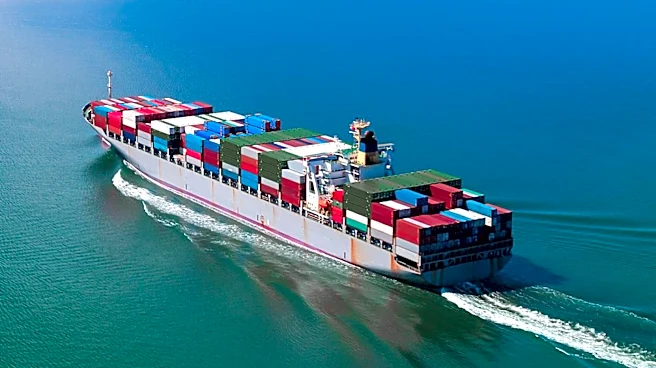
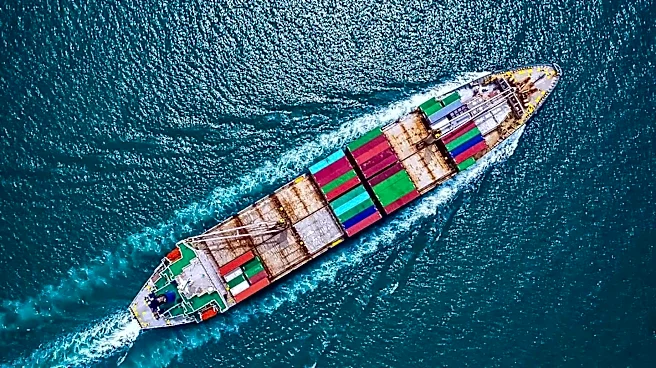
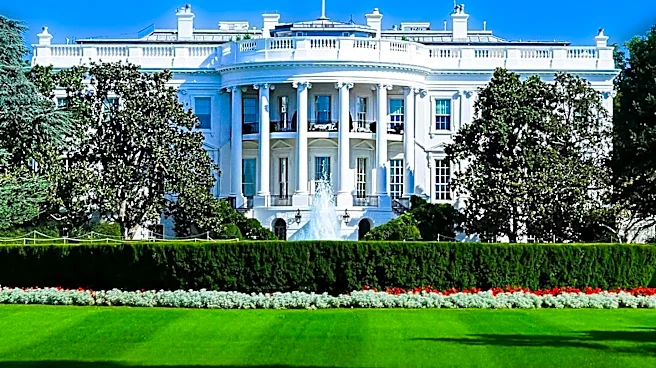
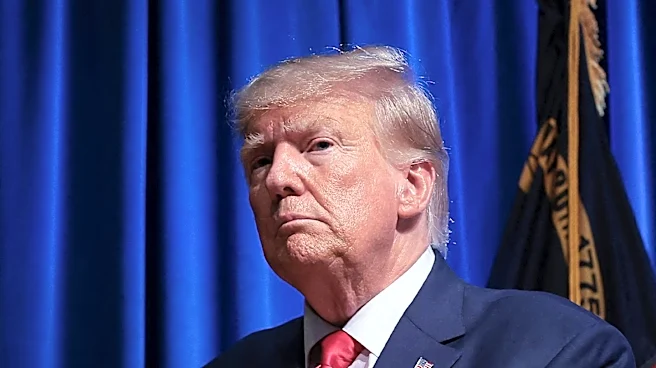
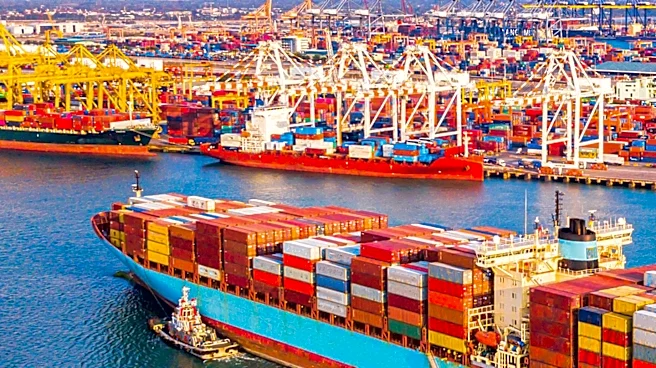
The Jones Act, a century-old U.S. maritime law, is under scrutiny as President Trump has issued a waiver to ease supply-chain issues and control oil prices. The Act mandates that all domestic waterborne shipments be conducted on American-built, owned,
and crewed ships. Critics argue that the law inflates consumer prices and stifles innovation in the U.S. shipbuilding industry. The waiver, initially issued in March, has been extended and is under consideration for further extension. This move has sparked debate among lawmakers, with some Republicans urging the waiver's expiration, while others see it as a necessary step to address current economic challenges.
Why It's Important?
The Jones Act has significant implications for the U.S. economy and national defense. While it aims to protect the domestic shipbuilding industry, it also results in higher shipping costs, impacting consumers and businesses. The waiver highlights the tension between protectionist policies and the need for competitive pricing and efficient supply chains. The debate over the Act's relevance in today's global economy could lead to calls for reform or repeal, affecting industries reliant on maritime transport. The outcome could influence U.S. trade policies and the balance between national security and economic efficiency.
What's Next?
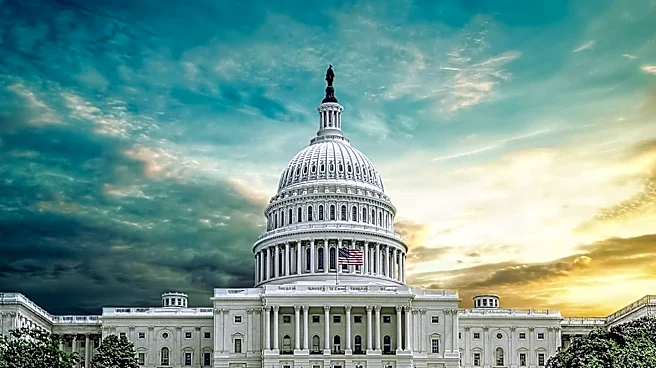
As the waiver's expiration approaches, Congress faces pressure to address the Jones Act's future. Potential reforms could include exemptions for certain regions or allowing allied nations' ships to participate in domestic trade. The decision will likely involve extensive lobbying from shipbuilders and consumer advocacy groups. The ongoing debate may also prompt a broader review of U.S. maritime policies and their alignment with contemporary economic and security needs.