
What's Happening?
The Libya Energy and Economic Summit 2027, scheduled for January 23-25, 2027, at the Tripoli International Convention Center, is set to be a pivotal event in the North African energy sector. This summit,
endorsed by Libya's National Oil Corporation and the Ministry of Oil and Gas, aims to transition from strategic intent to execution in the energy sector. The summit will focus on a $18 billion pipeline of energy and infrastructure projects, including upstream hydrocarbon development, gas monetization, and renewable energy initiatives. The event will serve as a benchmark for Libya's ability to convert licensing frameworks and infrastructure commitments into operational outcomes. The summit's agenda includes discussions on upstream oil and gas licensing, offshore gas infrastructure, and renewable energy projects, with a focus on execution accountability.
Why It's Important?
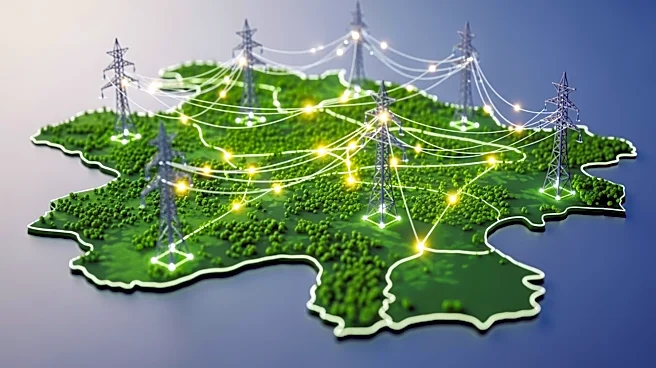
The summit represents a significant opportunity for Libya to position itself as a key player in the global energy market. The $18 billion investment pipeline is one of the largest in North Africa, signaling a shift from Libya's historical reliance on oil to a more diversified energy economy. This diversification includes offshore gas and renewable energy projects, which could attract a range of international investors with different risk profiles. Successful execution of these projects could enhance Libya's energy production capacity, increase foreign direct investment, and improve the country's economic stability. The summit's outcomes will be closely watched by international investors and policymakers, as they could influence global energy investment strategies and Libya's role in European energy security.
What's Next?
The Libya Energy and Economic Summit 2027 will focus on advancing projects from commitment to execution. Key areas of interest include the progress of the 22-block licensing round, the development of offshore gas infrastructure, and the implementation of renewable energy projects. The summit will also address infrastructure bottlenecks that could constrain capital deployment, such as pipeline integrity issues and export terminal capacity limitations. The outcomes of the summit will determine Libya's ability to meet its production targets and attract sustained international investment. The event will also provide insights into Libya's regulatory environment and its capacity to support large-scale energy projects.
Beyond the Headlines
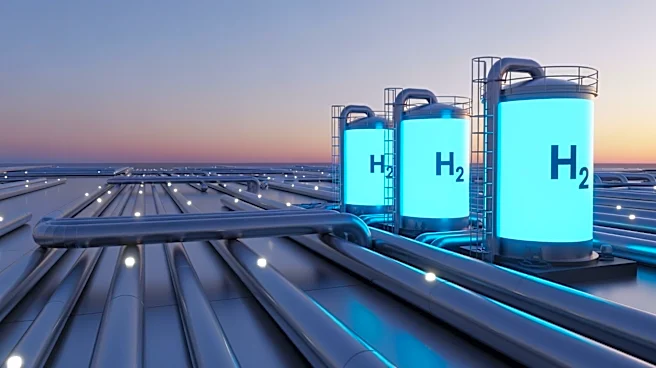
The summit's focus on renewable energy reflects Libya's strategic shift towards energy transition, aiming to free up hydrocarbon volumes for export by substituting domestically consumed oil and gas with solar power. This approach aligns with global trends towards sustainable energy solutions and could position Libya as a leader in renewable energy in North Africa. Additionally, the Energy JEEL initiative, a workforce development program, aims to build a domestic talent pipeline, reducing reliance on expatriate expertise and enhancing Libya's long-term energy sector growth. These developments could have broader implications for regional energy security and economic development.