






What's Happening?
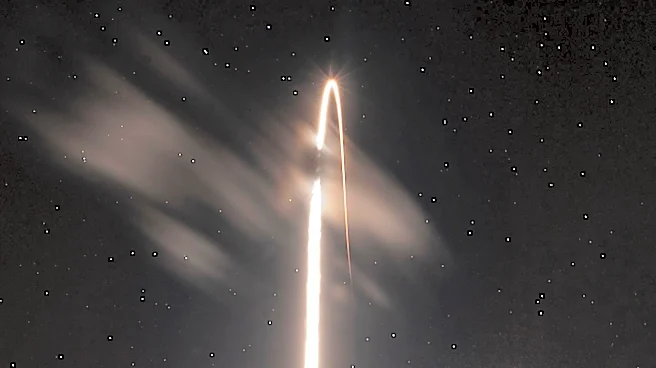
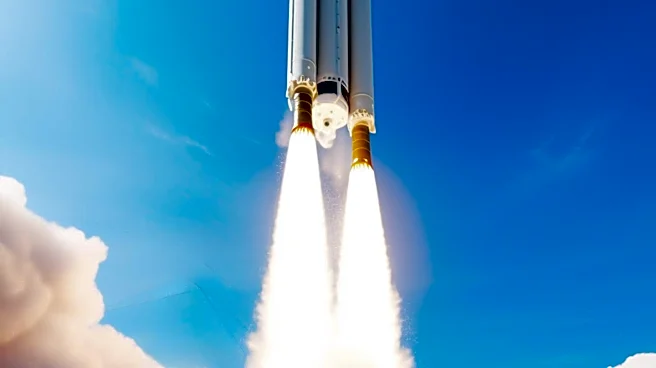
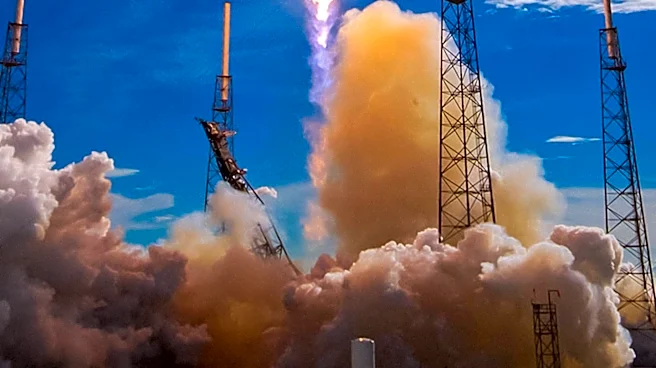
The U.S. Space Force has awarded Rocket Lab a $266 million contract to conduct 12 suborbital launches over the next three years, primarily from a new launch pad in Alaska. This contract, which is Rocket Lab's largest to date, includes options for six
additional missions. The launches will be conducted from the Pacific Spaceport Complex in Kodiak, Alaska, providing access to high-inclination, polar, and sun-synchronous orbits. This move is part of the Space Force's strategy to alleviate pressure on its primary launch sites at Cape Canaveral and Vandenberg by utilizing commercial spaceports for smaller satellite launches. Rocket Lab's HASTE platform, a variant of its Electron rocket, will likely be used for these missions, supporting missile defense testing.
Why It's Important?
This contract signifies a major expansion of Rocket Lab's role in U.S. national security and defense operations. By securing this deal, Rocket Lab strengthens its position as a key player in the defense sector, providing the U.S. military with rapid and responsive launch capabilities. The use of Alaska's spaceport also highlights the strategic importance of diversifying launch locations to enhance operational flexibility and security. This development could lead to increased investment in commercial spaceports and further integration of private companies into national defense strategies, potentially reshaping the landscape of military space operations.
What's Next?
Rocket Lab is expected to establish its presence at the Kodiak spaceport, with infrastructure modeled after its existing sites. The company will likely focus on ramping up its operations to meet the demands of the new contract. As the Space Force continues to explore commercial partnerships, other private space companies may seek similar opportunities to expand their roles in defense missions. The success of these launches could influence future contracts and collaborations between the military and private sector, potentially leading to more integrated and efficient space operations.