




What's Happening?
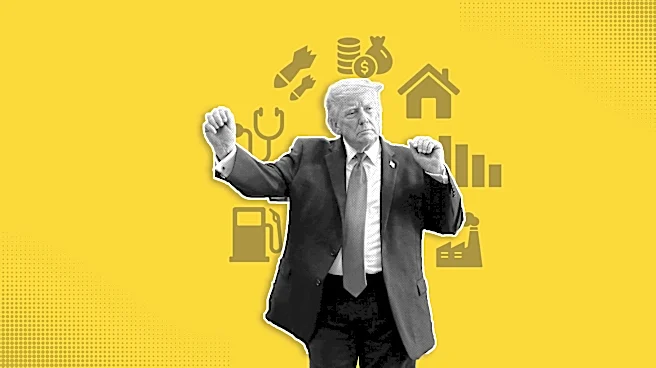
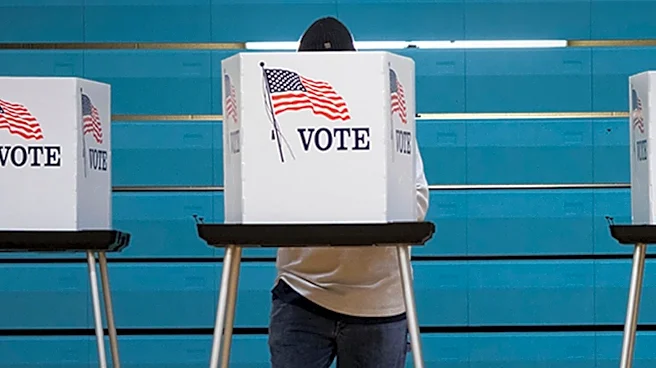
As Election Day approaches, health care affordability and the overall cost of living are paramount concerns for U.S. voters, according to the latest Kaiser Family Foundation (KFF) tracking poll. Approximately 25% of voters expressed being 'very worried'
about health care costs, a sentiment mirrored for gas and transportation expenses. While other concerns like food and groceries (20%), utilities (18%), and rent or mortgage (16%) were also noted, the cost of living collectively ranked as the highest concern, with 62% of voters deeming it 'extremely important' for candidates to address. KFF President and CEO Dr. Drew Altman highlighted that the unpredictable nature of large health care bills makes them a significant source of anxiety, placing them alongside other essential costs in voters' minds.
Why It's Important?
The prominence of health care affordability and the cost of living as top voter issues signals their critical role in shaping the political landscape and electoral outcomes. Candidates who effectively address these concerns are likely to resonate more with the electorate. This focus also indicates a broader societal challenge where many Americans feel financially squeezed by essential expenses. Policy discussions and legislative efforts in the upcoming political cycle will likely center on strategies to mitigate these costs, potentially leading to reforms in healthcare pricing, energy policies, and housing affordability. The sustained anxiety over these issues could also influence consumer behavior, economic stability, and public trust in government's ability to manage economic challenges.
What's Next?
With health care affordability and the cost of living being such dominant concerns, political candidates are expected to prioritize these topics in their campaigns and legislative agendas. Voters will be looking for concrete proposals and solutions from elected officials to alleviate financial pressures. This could lead to increased pressure on policymakers to implement measures such as healthcare cost controls, subsidies for essential services, or economic policies aimed at curbing inflation. The outcome of the upcoming elections may largely depend on how effectively candidates articulate and propose solutions to these pressing economic issues, potentially leading to shifts in legislative priorities and public spending in the coming years.
Beyond the Headlines
The deep-seated concern over health care costs and the cost of living reflects more than just immediate financial strain; it points to a growing sense of economic insecurity and vulnerability among the American populace. The unpredictability of health care expenses, as noted by Dr. Drew Altman, adds a layer of psychological burden, making financial planning difficult and contributing to overall stress. This pervasive anxiety can erode public confidence in economic systems and institutions, potentially leading to broader social and political discontent. Addressing these issues effectively requires not just short-term fixes but systemic reforms that ensure access to affordable healthcare and a sustainable cost of living, which could redefine the social contract between citizens and their government in the long run.