







What's Happening?
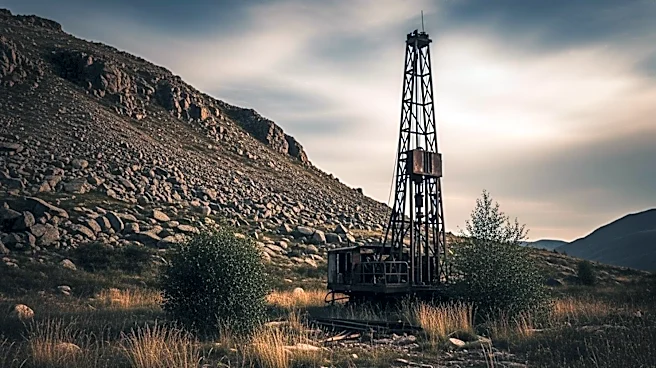
A proposed drilling project in the Black Hills of South Dakota has been canceled following significant opposition from Native American tribes and local advocacy groups. The project, led by Rapid City-based Pete Lien & Sons, was intended to explore graphite
resources but faced backlash due to its proximity to Pe'Sla, a sacred site for Sioux tribes. The site is used for ceremonial purposes and buffalo grazing. The cancellation follows legal actions by nine tribes and environmental groups, which argued that the U.S. Forest Service violated federal laws by permitting the project without an environmental review. A temporary restraining order had been issued to halt the project, and the company has now withdrawn its plans.
Why It's Important?
The cancellation of the drilling project highlights the ongoing tensions between economic development interests and the preservation of culturally significant lands. For the Sioux tribes, Pe'Sla is not only a sacred site but also a symbol of their historical claims to the Black Hills, which were affirmed by the 1868 Treaty of Fort Laramie. The decision represents a victory for Indigenous rights and environmental advocacy, setting a precedent for future land defense efforts. It also underscores the importance of considering Indigenous perspectives in land use decisions, particularly in areas with historical and cultural significance.
Beyond the Headlines
This development may influence future policy decisions regarding land use and resource extraction in areas with Indigenous significance. It raises questions about the balance between economic interests and cultural preservation, and the role of federal agencies in mediating these conflicts. The case also highlights the potential for legal frameworks, such as the National Historical Preservation Act, to protect Indigenous rights and environmental interests. The broader implications for tribal sovereignty and land rights could resonate in other regions facing similar disputes.