






What's Happening?
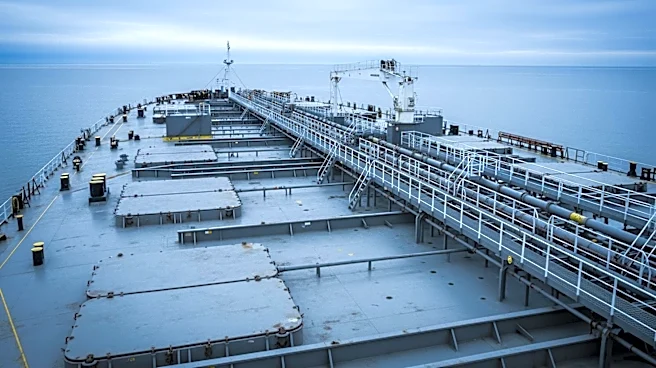
The U.S. Treasury Department has decided to extend its waiver on sanctions against Russian oil shipments. This move is intended to alleviate shortages caused by the ongoing war in Iran. The decision comes shortly after Secretary Scott Bessent initially
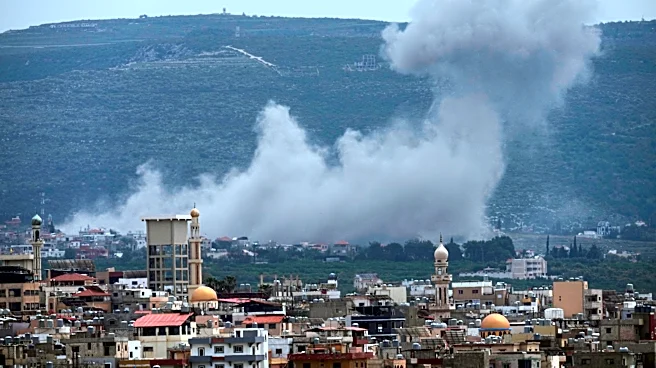
ruled out such a measure. The extension of the waiver reflects the U.S. government's attempt to balance geopolitical tensions with economic necessities, as the conflict in Iran has disrupted global oil supplies.
Why It's Important?
The extension of the waiver on Russian oil sanctions is significant as it highlights the complex interplay between international diplomacy and economic policy. By allowing Russian oil to continue flowing, the U.S. aims to stabilize global oil markets and prevent further economic disruptions. This decision may have implications for U.S. relations with both Russia and Iran, as well as for domestic energy policy. Stakeholders in the energy sector, including oil companies and consumers, could be affected by changes in oil prices and supply dynamics.
What's Next?
The U.S. government will likely continue to monitor the situation in Iran and its impact on global oil markets. Future policy decisions may depend on the evolving geopolitical landscape and the effectiveness of the current waiver in addressing oil shortages. Additionally, the U.S. may engage in further diplomatic efforts to resolve the conflict in Iran and mitigate its economic repercussions. Observers will be watching for any shifts in U.S. foreign policy or energy strategy in response to these developments.