
What's Happening?
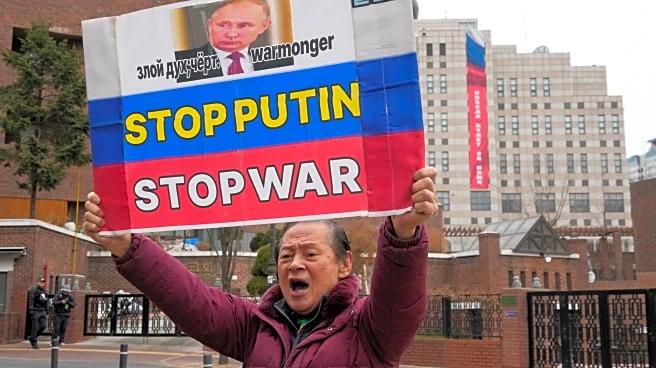
Hungary has vetoed the European Union's 20th sanctions package against Russia, which was intended to send a strong message to Moscow on the anniversary of Russia's full-scale invasion of Ukraine. The sanctions package, proposed by the European Commission,
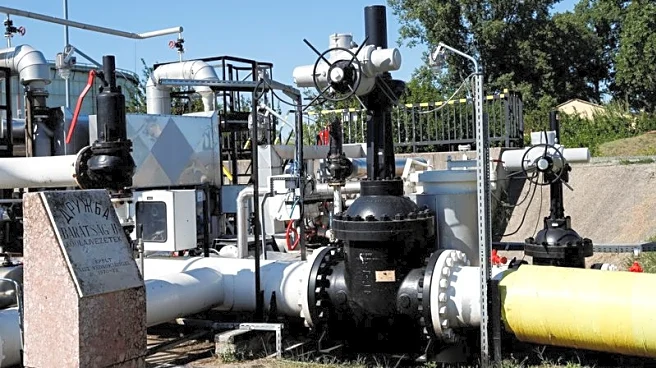
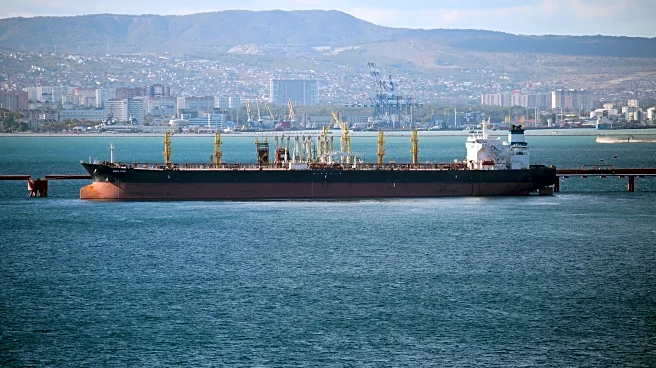
included a comprehensive ban on maritime services for Russian crude oil, coordinated with G7 partners, and targeted Russia's energy, financial, and trade sectors. The package also aimed to expand restrictions on Russia's shadow fleet and impose sanctions on 20 regional banks. Hungary's veto is linked to disruptions in the Druzhba pipeline, a major route for Russian crude to Hungary and Slovakia, which has been offline due to Russian strikes on Ukraine's energy infrastructure. Hungary and Slovakia have accused Ukraine of delaying repairs, a claim Kyiv has denied.
Why It's Important?
The veto by Hungary highlights significant divisions within the EU regarding the approach to sanctions against Russia. The failure to pass the sanctions package undermines the EU's collective efforts to curb Russia's ability to finance its war in Ukraine. The sanctions were designed to impact Russia's revenue streams significantly, potentially affecting its military capabilities. Hungary's decision to block the sanctions, along with a planned €90 billion EU loan for Ukraine, has been criticized as detrimental to European security and solidarity. This move could embolden Russia by showing cracks in the EU's unified front, potentially prolonging the conflict and affecting regional stability.
What's Next?
The EU will continue negotiations to find a consensus on the sanctions package. The extension of existing sanctions against Russia until 2027 indicates ongoing efforts to maintain pressure on Moscow. However, the veto by Hungary may lead to further diplomatic tensions within the EU, particularly between Hungary, Slovakia, and Ukraine. The EU may need to explore alternative strategies to address the concerns of member states while maintaining a strong stance against Russia. The situation also raises questions about the EU's decision-making process, which requires unanimous approval for sanctions, potentially leading to reforms in how such decisions are made.