


What's Happening?
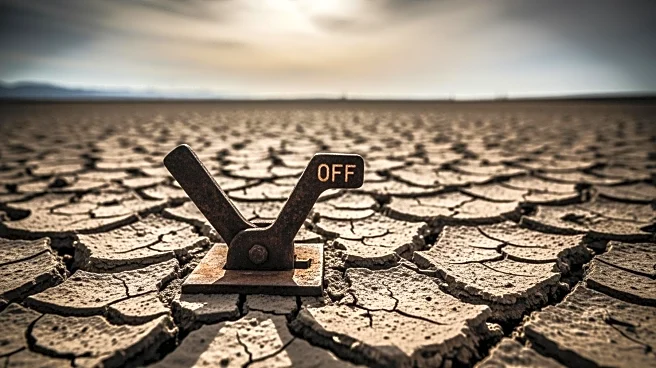
The Trump administration has announced the rescission of the Environmental Protection Agency's (EPA) 'endangerment finding,' which previously recognized greenhouse gas emissions as harmful to public health. This decision effectively eliminates federal
regulations aimed at controlling these emissions. The move has sparked significant debate, with proponents arguing it will reduce regulatory burdens on industries, while critics warn of potential environmental and public health consequences. The rollback is part of a broader deregulatory agenda pursued by the administration, which has sought to limit federal oversight in various sectors.
Why It's Important?
The elimination of greenhouse gas regulations could have far-reaching implications for environmental policy and public health in the United States. Industries such as manufacturing and energy may benefit from reduced compliance costs, potentially leading to increased economic activity and job creation. However, environmental advocates express concern that the lack of regulation could exacerbate climate change and its associated impacts, such as extreme weather events and health risks. This policy shift may also affect the U.S.'s international standing on climate issues, as it diverges from global efforts to reduce emissions.
What's Next?
The decision to rescind the EPA's endangerment finding is likely to face legal challenges from environmental groups and states that support stricter emissions controls. These challenges could result in prolonged court battles, potentially delaying the implementation of the policy change. Additionally, the upcoming presidential election may influence the future of environmental regulations, as a new administration could seek to reinstate or modify the current policies. Stakeholders across various sectors will be closely monitoring these developments to assess their potential impact.